In what is being described as a bold diplomatic push from Accra, Ghana’s President, John Dramani Mahama, has secured a major victory on the global stage after the United Nations General Assembly adopted a controversial resolution demanding reparations for the transatlantic slave trade.
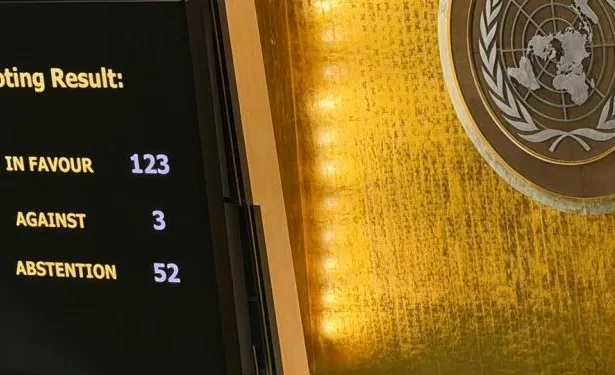
The motion, passed on Wednesday, 25 March with 123 countries voting in support, is already stirring unease across powerful Western capitals. It calls for member states to move beyond symbolic acknowledgements and begin structured engagements aimed at delivering what it describes as “concrete actions” to address the long-term damage caused by centuries of slavery.
But the vote has laid bare sharp divisions within the international community.
Heavyweights including the United States, Argentina and Israel broke ranks to oppose the resolution outright, while 52 countries—dominated by European Union members and their allies—chose to sit on the fence, abstaining from the vote entirely.
Washington did not hide its discomfort.
More Read
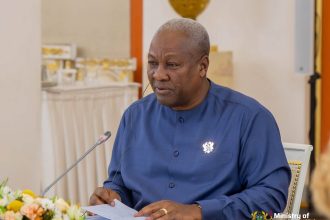
During proceedings, the US delegation dismissed the African Union-backed proposal as flawed and lacking clarity, particularly on the question of who exactly stands to benefit from any form of compensation.
The American envoy argued that while historical injustices are acknowledged, the absence of a clear framework for identifying beneficiaries or implementing reparatory measures made it impossible for the US to lend its support.
Despite the resistance, the outcome marks a significant boost for Mahama, who has placed reparative justice at the heart of his foreign policy agenda since returning to office. His administration has been vocal in pushing the global community to shift from apologies to tangible redress, describing slavery as one of the gravest crimes in human history.
At the core of the resolution is the argument that Africa’s present-day economic struggles cannot be divorced from the massive loss of human capital during the slave trade era. It presses for a global mechanism that could include development support, debt relief and the return of cultural artefacts as part of a broader reparative framework.
Yet, even as support grows, the path ahead appears fraught.
Critics of reparations continue to question the practicality of enforcing such measures centuries after the fact, pointing to legal complexities and the challenge of identifying direct victims in contemporary times. Proponents, however, insist that both African nations and descendants of enslaved people across the diaspora are legitimate beneficiaries of any restorative process.
With the resolution now adopted, the debate over slavery reparations has been thrust firmly into the spotlight, setting the stage for what could become one of the most contentious global justice issues in the years ahead.