…… Introduces “Cleanest City Award”
President John Dramani Mahama has officially reintroduced the National Sanitation Day (NSD), calling on Ghanaians from all walks of life to unite in keeping the country clean and healthy.
He announced that Metropolitan, Municipal and District Chief Executives (MMDCEs) will be assessed on their performance in sanitation management, promising to introduce the “Cleanest City Award” to encourage competition among assemblies.
Speaking at the launch of the initiative on Saturday, 6 September, at the Institute of Local Government Studies in Madina, Accra, President Mahama announced that the NSD would be observed nationwide on the first Saturday of every month under the government’s “Clean Up Ghana” agenda.
“The National Sanitation Day is a call to action; an opportunity for each of us, regardless of political affiliation, social standing, ethnicity or religious belief, to unite in keeping our surroundings clean,” he said.
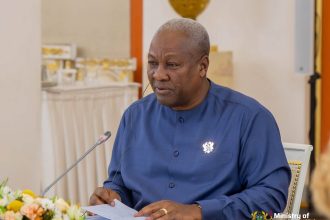
The president outlined the key objectives of the initiative, which include creating a culture of routine cleaning, reducing outbreaks of disease through improved hygiene, enhancing the beauty of towns and cities, and boosting tourism.
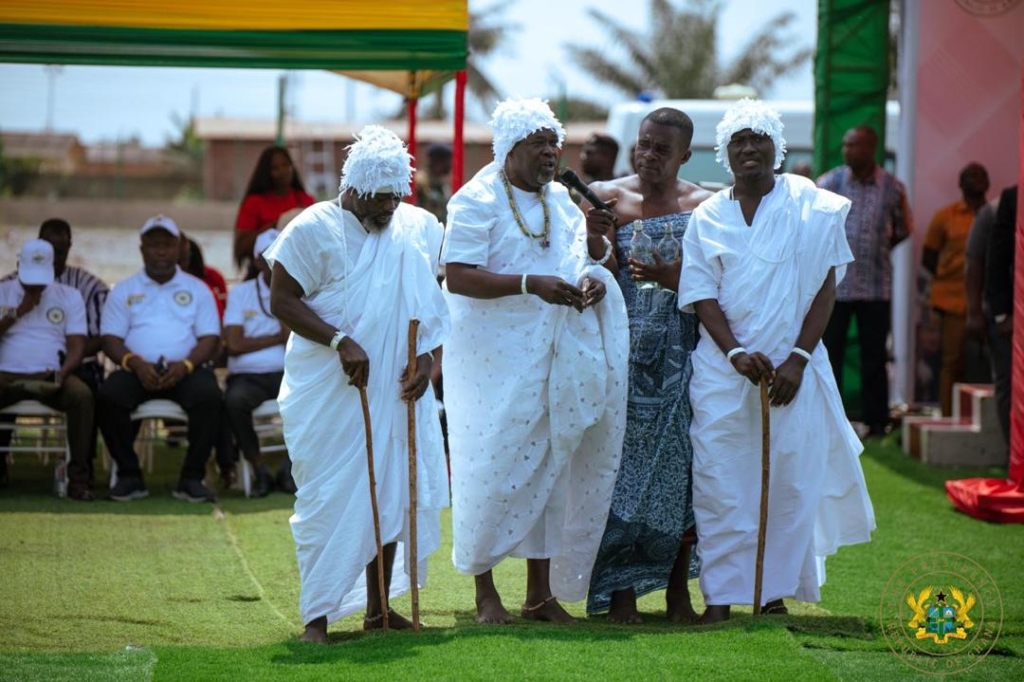
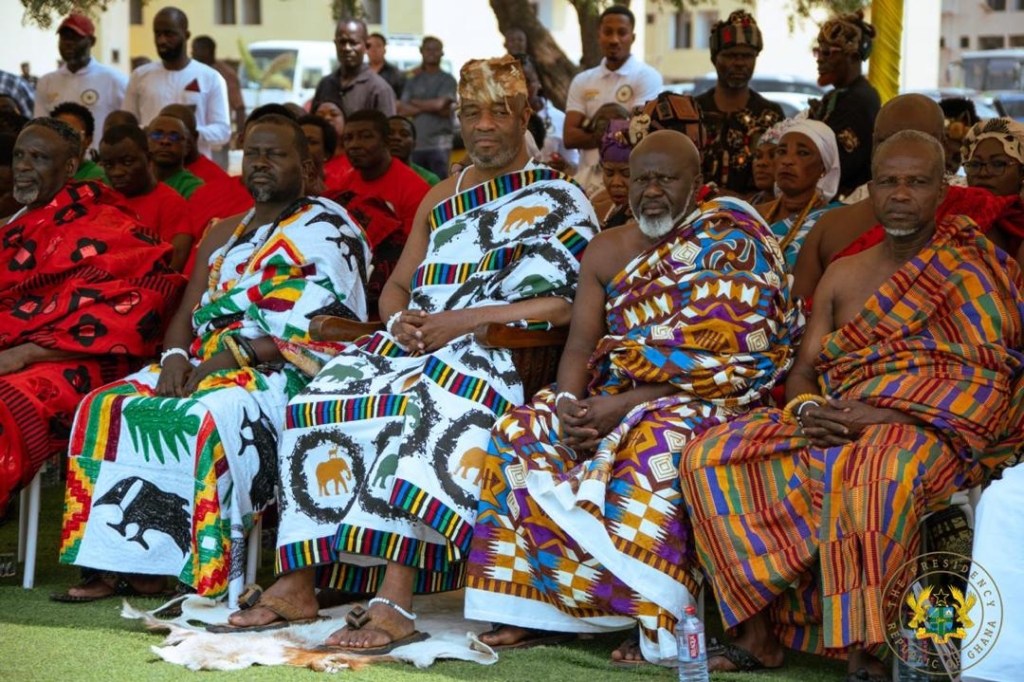
He stressed that the success of the programme would depend on partnerships between government institutions, traditional authorities, religious groups, businesses, schools and the general public.
“We are not just cleaning our environment; we are securing the health of our people, protecting our environment, and leaving a legacy for generations to come,” he added.
President Mahama noted that while some progress had been made in environmental sanitation, challenges such as poor waste disposal and unsanitary conditions continued to undermine public health and development. He said the reintroduction of NSD was aimed at fostering environmental responsibility and supporting sustainable socio-economic growth.
The initiative, he explained, draws inspiration from the earlier version of NSD, which ran between 2014 and 2016 and saw communities nationwide desilting gutters, clearing refuse and reclaiming public spaces.
He outlined specific goals for the programme, including promoting public awareness and encouraging community ownership of sanitation efforts, sustaining a culture of regular cleaning and maintenance, improving hygiene and reducing disease transmission through better waste management and supporting economic development by making Ghana a cleaner destination for tourism and investment.
The president further linked the initiative to Ghana’s commitment to the United Nations Sustainable Development Goals, particularly those relating to health, sustainable cities, clean water and sanitation, and climate action.
He also announced complementary environmental programmes, such as the Blue Water River Guards, which will train young people to protect water bodies from illegal mining, and the Tree for Life Restoration Initiative, designed to restore degraded forests through large-scale reforestation.
In addition, MMDCEs will be assessed on their performance in sanitation management. At the same time, a “Cleanest City Award” will be introduced to encourage competition among assemblies.
President Mahama urged the media, traditional rulers, and religious leaders to support the initiative by mobilising communities and spreading awareness actively.
“The success of the National Sanitation Day rests on the collective efforts of all of us. Let us rekindle the spirit of communal labour, take responsibility for our environment, and ensure that our surroundings reflect the pride we hold so dearly,” he said.
He appealed to Ghanaians to embrace NSD as a national habit and a celebration of environmental responsibility, adding: “Together, we can build a nation where cleanliness and environmental stewardship are part of our everyday life.”
On his part, the Minister for Local Government, Chieftaincy and Religious Affairs, Ahmed Ibrahim, called on Ghanaians to embrace the reintroduced National Sanitation Day (NSD), describing it as a renewed social contract between government and citizens to restore cleanliness, discipline and dignity in public spaces.
The Minister expressed gratitude to President Mahama for personally attending the event, saying his presence underscored the importance the government attaches to environmental sanitation, public health and sustainable development.
Mr Ibrahim said Ghana continued to face serious sanitation challenges, including poor waste disposal, indiscriminate littering, weak enforcement of sanitation bylaws, and inadequate drainage management, which had contributed to deadly outbreaks of cholera, malaria, and typhoid, as well as flooding, environmental degradation, and economic setbacks.
“It is a bold declaration that we, as a nation, will no longer tolerate the menace of filth, environmental pollution and disease outbreaks,” he said.
The Minister recalled that the NSD was first introduced in 2014 under President Mahama, with support from then Local Government Minister Julius Debrah, now Chief of Staff at the Presidency. The initiative, he noted, proved that citizen-led efforts could make a significant difference, though the momentum was not sustained.
Mr Ibrahim outlined three core objectives for the relaunched programme to restore discipline and pride in public spaces, ensuring a clean environment as a necessity for public health and national dignity, to empower local government structures, with sanitation now fully integrated as a key performance indicator for MMDCEs and to foster citizen participation and accountability through active involvement of households, communities, civil society, the private sector and the media.
The Minister said the NSD would be observed nationwide on the first Saturday of every month across all 16 regions and 261 districts. Beyond clean-up exercises, the campaign will also focus on behavioural change through public education on waste segregation, recycling and strict enforcement of sanitation by-laws.
He announced additional accountability measures, including the establishment of a dedicated sanitation hotline to enable citizens to report public health nuisances, a central dashboard to track reports and assembly responses, and mandatory monthly sanitation reports from assemblies to Regional Coordinating Councils and the Ministry.
Mr Ibrahim stressed that the success of the NSD depended on collective action. He urged traditional authorities, religious leaders and the youth to play leading roles in mobilizing communities, while challenging the media to use its platforms to highlight sanitation issues and celebrate positive community efforts.
“The National Sanitation Day is a clarion call to all Ghanaians, communities, public institutions, the private sector and civil society in a united front against unsanitary conditions,” he said.
The Minister concluded by appealing to citizens to participate actively in the upcoming monthly exercises. “Let us embrace this initiative and together build a cleaner, healthier and more prosperous Ghana. Let us rise to the occasion and make the National Sanitation Day a transformative force in our national development,” he said.