Ghana and Zambia are set to implement a visa waiver regime that will allow citizens of both countries to travel freely between the two nations without the need for entry visas—a move described as unprecedented in the history of bilateral relations between the two states.
The announcement was made by the Minister for Foreign Affairs, Samuel Okudzeto Ablakwa, during President John Dramani Mahama’s three-day state visit to Zambia, which is focused on deepening diplomatic, economic, and social cooperation.
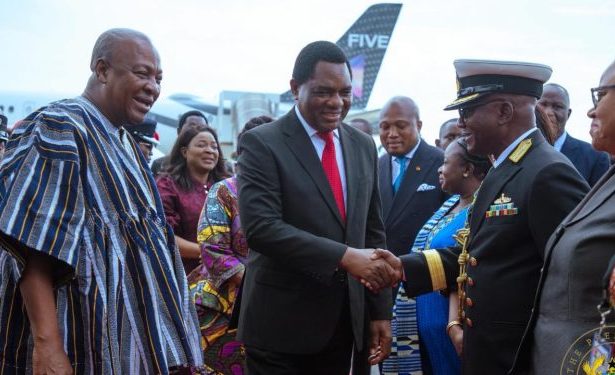
President Mahama arrived in Lusaka on Wednesday, February 4, and was received at the Kenneth Kaunda International Airport by Zambia’s President, Hakainde Hichilema, in a show of warm bilateral ties.
Speaking to journalists on the margins of the visit, Mr Ablakwa revealed that the visa waiver agreement emerged as one of the most significant outcomes of high-level engagements between the two governments. He noted that the policy shift is expected to ease movement and unlock new opportunities in trade, tourism, investment, and cultural exchange.
According to him, the agreement reflects a deliberate effort by the Mahama administration to remove travel barriers that have long constrained interaction between African countries.
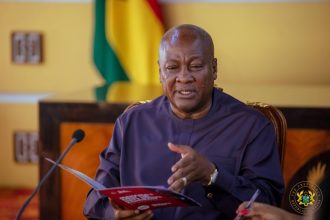
“We have also ensured that as a ministry, we are prioritising your smooth mobility and one of the major outcomes of this state visit, which you will hear President [John Dramani] Mahama talk about, is that for the first time in the history of Ghana-Zambia relations, we are going to have a free visa between our two countries so you no longer have to stress about visas.
“So we are going to have a visa waiver agreement. And it is one of the conditions that President Mahama gave us for this visit. He said, Foreign Minister, if you don’t make this happen, don’t join me on this visit.”
Mr Ablakwa further disclosed that the visa-free arrangement was not incidental but rather a firm directive issued personally by President Mahama ahead of the trip, underscoring the President’s commitment to advancing African mobility and integration.
Once operational, the policy is expected to benefit students, business people, professionals, tourists, and other travellers by eliminating bureaucratic hurdles that have traditionally slowed cross-border movement.
The agreement is being viewed as a practical step towards strengthening Ghana–Zambia relations and aligning with broader continental efforts to promote intra-African travel, economic cooperation, and people-to-people connectivity.