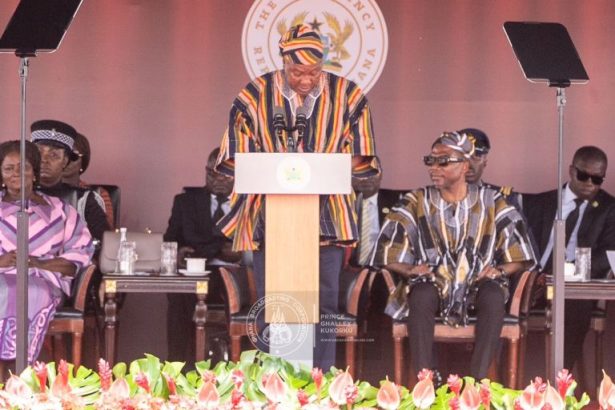
President John Dramani Mahama has announced plans for Ghana to table a major motion at the United Nations seeking global recognition of slavery and the transatlantic slave trade as the gravest crime ever committed against humanity.
The initiative, expected to be formally presented later this month, is aimed at pushing the international community to confront the historical injustice of the slave trade and advance the global conversation on restitution for its victims and their descendants.
The announcement was made during Ghana’s 69th Independence Day celebration at Jubilee House on 6 March, where the president used the national occasion to outline Ghana’s intention to once again take a leadership role in championing justice for Africa.
According to Mahama, the motion represents a long-overdue effort to secure recognition for the suffering inflicted on millions of Africans during centuries of forced human trafficking.
“Later this month, Ghana will submit a motion to the UN declaring slavery and the trans-atlantic slave trade the gravest crime against humanity. this motion will represent the justice and restitution that is long overdue and Ghana the first sub saharan african nation to gain independence will once again lead the global call for dignity and restoration”, he noted.
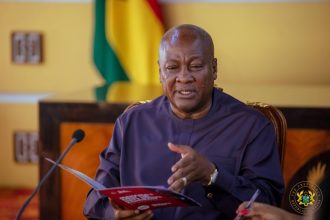
Mahama argued that the consequences of the transatlantic slave trade continue to shape global inequalities today, pointing to enduring racial injustices and economic disparities that trace their roots to the exploitation of enslaved Africans.
He urged world leaders to view the proposed resolution not merely as a symbolic declaration but as a moral obligation toward correcting one of the darkest chapters in human history.
Ghana’s proposal seeks to secure formal international recognition that the mass capture, transportation and exploitation of Africans during the slave trade era constitutes the most severe crime against humanity.
The initiative has already received backing from the African Union and is expected to generate intense diplomatic discussions among member states at the United Nations.
If adopted, the resolution could strengthen calls for global reparative justice and renew international attention on the historical consequences of the transatlantic slave trade.