Ghana is preparing to make history at the United Nations as it tables a landmark resolution seeking to officially recognise the Transatlantic Slave Trade as the gravest crime against humanity, the Ministry of Foreign Affairs has confirmed.
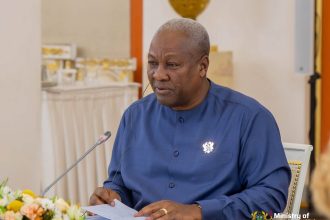
The initiative, spearheaded by President John Dramani Mahama, is slated for discussion at the UN General Assembly on Wednesday, March 25, 2026, coinciding with the International Day of Remembrance of the Victims of Slavery and the Transatlantic Slave Trade.
According to the Ministry, the resolution underscores Ghana’s leadership as the African Union Champion on Reparations.
It has been developed in collaboration with the African Union, the Caribbean Community (CARICOM), and people of African descent around the world.
“The resolution seeks to formally recognise the trafficking and enslavement of Africans as the gravest crime against humanity, considering its historical magnitude, systemic brutality, and lasting impact on generations,” the ministry stated.
More Read
If adopted, this would become the United Nations’ first comprehensive resolution addressing slavery and the Transatlantic Slave Trade in its 80-year history.
The Ministry emphasised that the move will “preserve historical truth as a foundation for justice and reconciliation” while responding to global calls for reparatory justice and accountability.
In preparation for the UN tabling, a wreath-laying ceremony is scheduled at the African Burial Ground in New York on March 24. This will be followed by a high-level discussion on reparatory justice at the UN headquarters.
The Ministry expressed gratitude to key partners who contributed to drafting the resolution, including UNESCO, the Community of Latin American and Caribbean States, and multiple African Union institutions.
Ghana has called on all UN member states to back the resolution, describing it as a defining moment in the global pursuit of justice and healing for the descendants of enslaved Africans.
Following the Assembly’s consideration, Ghana plans to continue championing reparatory justice through the African Union’s Decade of Action on Reparations and African Heritage (2026–2036).