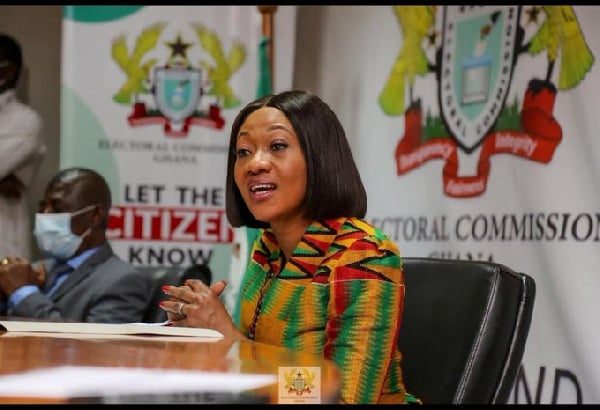
The Constitution Review Committee (CRC) has proposed constitutional amendments aimed at strengthening the independence and credibility of Ghana’s Electoral Commission (EC), including fixing the tenure of its leadership and restricting their eligibility for public office after leaving the Commission.
The proposals seek to amend Article 223 of the 1992 Constitution to introduce a single, non-renewable 10-year term for the EC Chairperson and Deputy Commissioners, or until they reach the compulsory retirement age of 65, whichever occurs first.
According to the Committee, the move is intended to shield the leadership of the Commission from political influence linked to contract renewal and to enable them to perform their duties without external pressure.
Presenting the CRC’s report to President John Dramani Mahama on Monday, December 22, the Committee stated, “The Committee recommends an amendment to Article 223 to provide that the Commissioner and each of the Deputy Commissioners of the Commission shall hold office for a single, non-renewable term of ten (10) years or upon or until he or she attains the age of 65 years, whichever is earlier.”
Beyond tenure reforms, the CRC has also proposed a compulsory cooling-off period for former EC officials, during which they would be barred from holding any other public office.
More Read
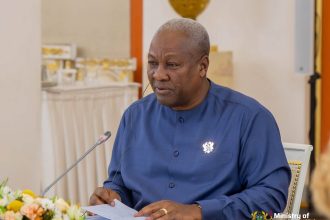
The report specifies, “A person who has held the office of Commissioner or Deputy Commissioner shall, upon retiring or resigning from the position, be ineligible for appointment to any other public office, until after a three-year cooling-off period.”
The Committee believes the dual approach—guaranteeing security of tenure while limiting post-service political engagement—would reinforce public trust in the electoral process and draw a clearer boundary between electoral administration and partisan or governmental appointments.
These recommendations form part of a broader set of constitutional reforms proposed by the CRC, which it says are designed to strengthen democratic institutions, improve governance standards and restore confidence in Ghana’s constitutional framework.