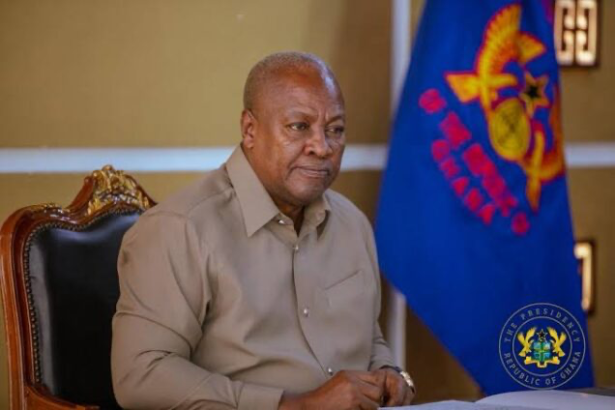
Cabinet is holding its third and final meeting to consider the government’s position paper on proposals to review Ghana’s 1992 Constitution.
Government Spokesperson Felix Kwakye Ofosu announced on Tuesday that the meeting was underway and would conclude Cabinet’s deliberations on the recommendations submitted by the Constitutional Review Committee (CRC).
The committee, chaired by Professor Henry Kwasi Prempeh, presented its final report to President John Dramani Mahama on December 22, 2025, following nationwide consultations on constitutional reforms.
The CRC was tasked with reviewing previous reform proposals and recommending measures to strengthen Ghana’s constitutional framework.
Among its key recommendations are extending the presidential term from four to five years, separating the roles of ministers and Members of Parliament, establishing an independent Emoluments Commission and reforming the appointment process for Metropolitan, Municipal and District Chief Executives (MMDCEs).
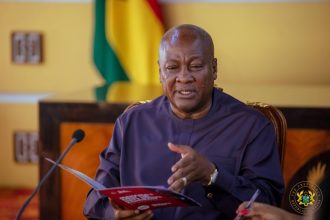
President Mahama has maintained that the proposed reforms are intended to strengthen, rather than replace, the 1992 Constitution.
He has described the Constitution as one of Ghana’s most successful democratic documents, adding that any amendments should make it more responsive to the country’s future governance needs.
Unlike a commission of inquiry, the constitutional review process requires government to prepare a position paper outlining its response to the committee’s recommendations.
According to Kwakye Ofosu, the government is expected to accept some proposals, modify others and reject those considered impractical.
Once approved by Cabinet, the position paper will be published to inform the public of the government’s position on the proposed reforms.
The next phase will include the establishment of an implementation committee to oversee the reform process, while the Attorney General and the government’s legal team harmonise the position paper with the CRC’s report before it is forwarded to the Constitutional Review Implementation Committee.
Majority Leader Mahama Ayariga has indicated that constitutional amendment bills will be presented to Parliament during the current sitting.
He said Parliament should prepare for extensive deliberations, as both entrenched and non-entrenched provisions of the Constitution could be amended.
Under Ghana’s constitutional provisions, amendments to entrenched clauses require approval by the Council of State and a national referendum, while non-entrenched provisions require Council of State review and parliamentary approval by the required supermajority.
Meanwhile, a coalition of civil society organisations has called on the government to publish a clear implementation roadmap, warning that delays could affect the reform process ahead of future election cycles.
The outcome of Cabinet’s deliberations is expected to determine the next stage of what could become Ghana’s most significant constitutional reform process since the adoption of the 1992 Constitution.