Ghana is set to host a major international conference on reparatory justice in Accra in June 2026, following a United Nations resolution that recognised the transatlantic enslavement of Africans as a crime against humanity.
The three-day conference, scheduled for June 17 to 19, is expected to bring together heads of state, government ministers, academics, legal experts, activists and representatives of the African diaspora to advance global discussions on reparations.
The meeting comes after the United Nations General Assembly adopted a resolution acknowledging the transatlantic trafficking and enslavement of Africans as one of the gravest crimes against humanity, with 123 member states supporting the decision.
The Accra conference will focus on translating the UN resolution into practical action, including the development of policy frameworks and coordinated international approaches to reparatory justice.
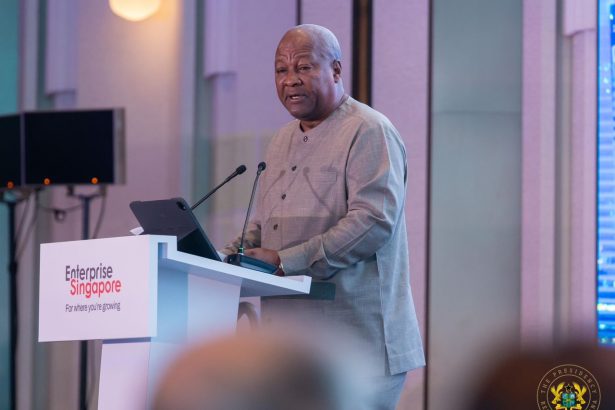
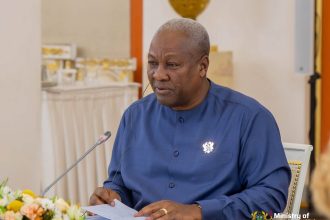
The event will be held under the auspices of President John Dramani Mahama, who also serves as the African Union’s champion on reparations.
More Read
Officials say the conference is expected to shape the next phase of the global reparations agenda, with emphasis on sustained advocacy and international cooperation.
A key highlight of the programme will be a Juneteenth commemoration at Christiansborg Castle in Osu, a historic site linked to the transatlantic slave trade. The ceremony is expected to bring together Africans and African Americans in a joint moment of remembrance and reflection.
Organisers describe the commemoration as a significant symbolic gesture aimed at acknowledging shared history and trauma associated with slavery.
The conference is also expected to draw participation from international organisations and policy institutions as part of broader efforts to strengthen Africa’s collective position on reparatory justice.
At the end of the meeting, participants are expected to produce a set of recommendations to guide future continental and global engagements on reparations, as calls continue for recognition and redress of historical injustices linked to slavery.