The Ghanaian government has unveiled a bold six-region industrialisation strategy aimed at positioning the country as Africa’s hub for tropical beverages and functional wellness drinks.
The programme could generate more than US$900 million in annual output by 2029.
The 6-Region Tropical Beverages & Functional Drinks Industrialisation Plan (2025–2030) seeks to harness Ghana’s rich agro-ecological diversity to develop globally competitive processing hubs for natural fruit juices, coconut water, ready-to-drink teas, herbal infusions, fermented probiotic beverages, and other functional wellness drinks.
The initiative draws inspiration from the operational models of Ekumfi Fruits & Juices and Central Citrus Ltd.
Under the plan, six industrial hubs will be established across major crop belts to convert pineapples, citrus, coconut, mango, passion fruit, hibiscus, ginger, moringa, baobab, and other botanicals into high-margin, export-ready products.
More Read

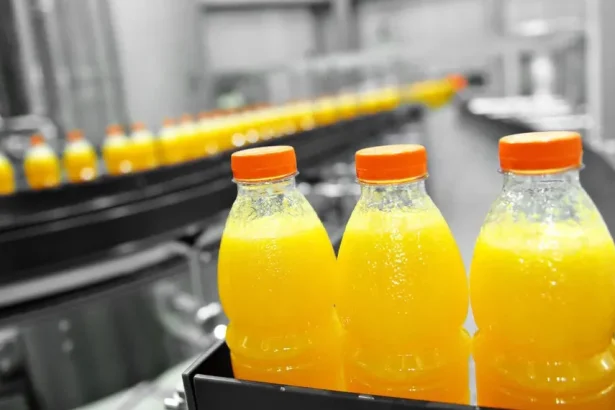
Each hub will operate at a processing capacity of 25 tonnes per hour and will feature UHT, tetra, PET, and canning lines supported by research and development units, running 24 hours a day.
Government projections indicate that the hubs could generate between US$900 million and US$1.2 billion in annual industrial output by 2029, with cumulative revenue from 2025 to 2030 estimated at US$2.7 billion to US$3.5 billion.
The plan is expected to create between 36,000 and 54,000 direct and indirect jobs spanning farming, processing, logistics, packaging, and distribution.
It will also contribute to foreign exchange savings through reduced imports and increased exports to markets under AfCFTA, ECOWAS, the EU, UK, and Middle East.
Ghana currently imports hundreds of millions of dollars’ worth of processed fruit juices and sugary drinks annually.
The new hubs could replace 30 to 60 percent of these imports within three years. Each hub will focus on products suited to the region’s agro-ecological strengths.
For instance, the Western Region will specialise in coconut water and tropical hydration drinks, while the Volta Region will process citrus juices and ginger-based functional blends.
The Eastern Region will focus on NFC pineapple juice, mango-passion blends, and breakfast juices, while the Ashanti Region will produce ready-to-drink hibiscus teas, moringa drinks, and herbal wellness beverages.
In Bono, the focus will be on mango-fibre drinks, citrus blends, and cashew apple beverages, while the Northern Regions will handle baobab, hibiscus, and tamarind probiotic and fermented wellness drinks. The initiative is also expected to reduce post-harvest losses, currently estimated at 15 to 30 percent, by localising processing near raw material sources.
The programme will roll out in four phases. The 2025 Foundation Phase will cover site selection, crop zoning, outgrower recruitment, and engineering design.
From 2026 to 2027, construction and expansion will see the building of the six plants, establishment of R&D laboratories, and expansion of crop farms by 5,000 to 15,000 acres per region.
Between 2027 and 2029, the Scale-Up Phase will expand operations from one shift to three, introduce value-added product lines, and launch regional export channels. Finally, the 2030 Consolidation Phase will secure global certifications and position Ghana as a continental leader in natural and functional beverage exports.
To enhance competitiveness, the government plans to implement supportive policies, including zero-duty on processing equipment, a single-window export certification system, youth outgrower financing with biological asset insurance, incentives under the 24-Hour Economy initiative, an AfCFTA export fast-track desk, and tax incentives for agro-processing zones.
The global market for natural and functional beverages is projected to reach US$300 billion by 2030, driven by rising demand for no-sugar-added juices, immunity-boosting drinks, gut-health beverages, herbal infusions, and high-fibre tropical drinks.
Ghana’s tropical crop diversity, combined with the new industrial hubs, positions the country to capitalise on this growing demand in AfCFTA and Middle Eastern markets.
If successfully implemented, the programme is expected to establish Ghana as Africa’s leading producer of natural tropical and functional beverages, while supporting export diversification, youth employment, industrial growth, and foreign exchange stability.