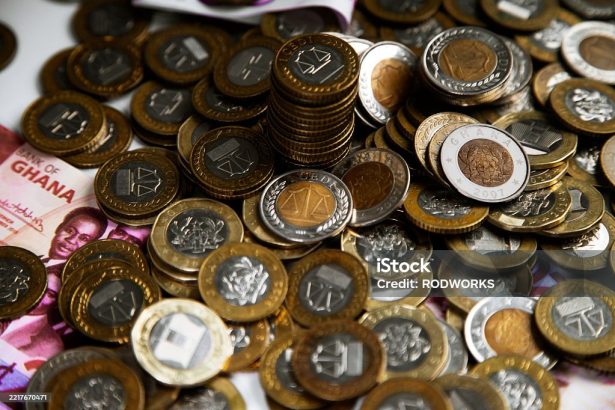
The Bank of Ghana (BoG) has warned traders, transport operators and businesses that refusing to accept valid Ghana cedi coins could result in prosecution, with offenders facing up to three years imprisonment.
The central bank said it will work with the Ghana Police Service and other security agencies to enforce compliance as concerns grow over the rejection of lower denomination coins in commercial transactions.
In a notice issued on Wednesday, July 22, 2026, the BoG said coins including 1, 5, 10, 20 and 50 pesewas, as well as GH¢1 and GH¢2 coins, remain legal tender and cannot be rejected at the discretion of individuals or businesses.
The bank warned that refusing coins because they are considered inconvenient, have low value or are difficult to handle is not a lawful basis for denying their use in transactions.
Under Ghana’s Currency Act, the BoG explained that any person who refuses to provide goods or services because a customer pays with valid legal tender commits an offence.
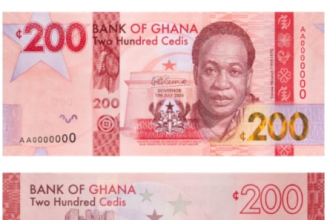
Persons found guilty may face a fine, imprisonment of up to three years, or both.
The central bank further cautioned that those who encourage or direct others to reject valid cedi coins could also face criminal liability.
The warning comes amid growing complaints from members of the public who say some transport operators, traders and businesses no longer accept smaller denominations, creating challenges for cash transactions.
The BoG said widespread rejection of coins could affect the efficiency of Ghana’s payment system, distort pricing and weaken confidence in the cedi.
It urged the public to report businesses or individuals who refuse to accept valid Ghana cedi coins through its official channels or the Ghana Police Service.