The International Monetary Fund (IMF) has clarified that the $214 million figure linked to Ghana’s Domestic Gold Purchase Programme (DGPP) reflects a policy accounting treatment, rather than an operational loss, reinforcing the programme’s role in stabilising the economy.
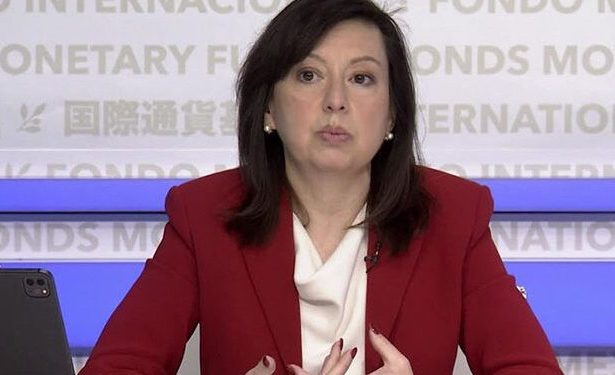
IMF Communication Director Julie Kozak made the clarification during the Fund’s latest briefing in Washington, responding to questions on the Fifth Review Staff Report. She emphasised that while the DGPP involved certain quasi-fiscal costs, these were predictable elements related to trading margins, fees, and exchange rate movements, and did not indicate failure by the Ghana Gold Board (Goldbod) or the Bank of Ghana.
“The DGPP contributed significantly to the buildup of international reserves and eased pressure on the foreign exchange market during a difficult period for Ghana,” Kozak said, highlighting the programme’s stabilising impact on the cedi.
The clarification comes amid public debate over the $214 million figure, which the IMF explicitly categorised as a “quasi-fiscal loss,” not a realised financial deficit. Kozak also advised that such accounting entries be recorded in the national budget rather than on the Bank of Ghana’s balance sheet, to preserve the central bank’s core policy mandate.
The announcement follows recent commitments by the Governor of the Bank of Ghana to work with stakeholders, including Goldbod, to strengthen the governance and operational framework of the DGPP. Planned reforms aim to enhance transparency, clarify roles between government agencies and the central bank, and ensure the programme continues to deliver macroeconomic benefits.

For Goldbod, the IMF’s clarification provides validation of its position that the DGPP was designed to support macroeconomic stabilisation while generating long-term value from Ghana’s gold resources, rather than to produce immediate trading profits.
The Ghana Gold Board reiterated its commitment to improving transparency, cooperation with the central bank, and efficiency, ensuring that future phases of the programme remain economically beneficial for the country.