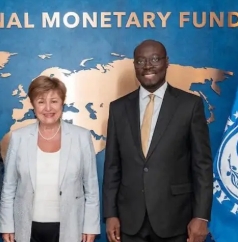
Ghana’s economic adjustment programme has received another lift after the Executive Board of the International Monetary Fund (IMF) approved a new funding release under the country’s bailout arrangement.
The decision clears the way for the release of about $380 million, pushing total funds disbursed to Ghana under the $3 billion Extended Credit Facility to just over $2 billion since the programme began.
In a statement issued on Wednesday, the IMF cited Ghana’s sustained compliance with agreed targets and policy commitments, stating that macroeconomic indicators have continued to improve despite lingering pressures from debt servicing and global economic uncertainty.
The latest approval follows the fifth formal assessment of Ghana’s performance under the programme, which was negotiated in 2023 at the height of the country’s most severe economic downturn in decades. At the time, Ghana was grappling with soaring inflation, sharp currency depreciation and a debt overhang that shut it out of international capital markets.
Since then, the government has pursued a series of corrective measures, including tight expenditure controls, domestic and external debt restructuring, and reforms aimed at widening the tax base and strengthening public financial management.
More Read
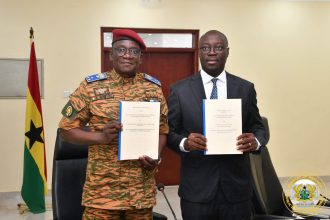
Reacting to the IMF’s decision, Finance Minister Cassiel Ato Forson described the approval as an endorsement of the government’s economic direction, saying it reflects growing confidence in Ghana’s recovery path.
He said the continued flow of IMF support would help stabilise the economy while creating room for growth, employment and longer-term structural transformation.
The IMF programme, which is scheduled to run until 2026, remains conditional on strict adherence to fiscal discipline, debt sustainability benchmarks and governance-related reforms. Further disbursements will depend on Ghana meeting future performance targets set out under the agreement.
The latest funding release offers the government some breathing space as it works to consolidate recent economic gains and steer the country back towards durable stability.