The Founding President of IMANI Africa, Franklin Cudjoe, has called for an independent parliamentary inquiry into the growing number of cocaine seizures linked to Ghana, demanding accountability from officials responsible for safeguarding the country’s ports and borders.
He has described the recurring incidents as a national disaster and urged President John Dramani Mahama to ensure that those found responsible are held accountable, including officials at the highest levels.
In a Facebook post on Thursday, November 12, Mr Cudjoe said the scale of the cocaine trafficking cases had become a national embarrassment, insisting that Parliament must be allowed to independently investigate the circumstances surrounding the seizures.
“Now the Cocaine matter has become a national disaster, disgraceful and the whole country has become a crime scene. PARLIAMENT MUST BE ALLOWED FOR INDEPENDENT ENQUIRY. MEANWHILE HEADS MUST ROLL FROM THE TOP NOW MR PRESIDENT,” he wrote.
His comments come amid a series of major international drug interceptions involving consignments originating from Ghana, raising concerns about the possible exploitation of the country’s ports by transnational narcotics trafficking networks.
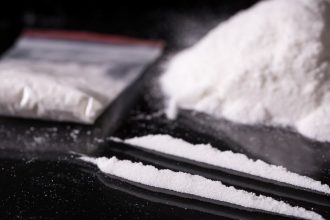
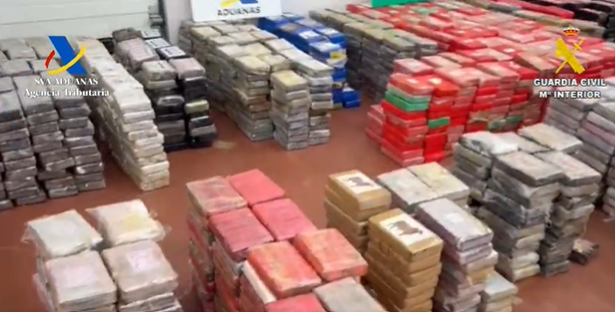
The latest incident involves the seizure of approximately 2.6 tonnes of cocaine by Spanish authorities from two shipping containers loaded with coconuts at the Tema Port.
The containers, which departed Ghana on August 2, 2026, arrived at the Port of Valencia in Spain about 20 days later.
Spanish customs officials discovered the cocaine concealed in specially modified wooden crates with false bottoms beneath the coconuts.
The operation, conducted jointly by Spain’s Guardia Civil and the Customs Surveillance Service of the Spanish Tax Agency, resulted in the arrest of two men in Almería. One was identified as the importer of the consignment, while the other was responsible for supervising its unloading.
The seizure adds to other major interceptions involving Ghana-linked shipments, including the approximately 3.9 tonnes of cocaine discovered in September in a container of plastic waste at France’s Port of Dunkirk.
In October, Lebanese customs authorities also intercepted 46.7 kilogrammes of cocaine at Beirut International Airport from a Syrian passenger who had travelled from Accra. Ghana’s Narcotics Control Commission subsequently arrested three foreign nationals in connection with the shipment.
Domestically, police on August 5 seized 866 parcels of suspected cocaine concealed in sacks of gari and konkonte at a warehouse within the Tema Harbour enclave.
The repeated interceptions have intensified scrutiny of Ghana’s cargo screening procedures, export monitoring systems and the role of security agencies in preventing the movement of illicit substances through the country’s trade facilities.
Mr Cudjoe’s call also comes amid disagreements in Parliament over attempts by the Minority to secure an independent investigation into the cocaine seizures.
On September 29, Speaker of Parliament Alban Bagbin rejected a Minority-sponsored motion seeking a parliamentary inquiry, citing concerns that the proposed investigation could overlap with ongoing criminal proceedings.
The Minority subsequently challenged the decision, with Minority Leader Alexander Afenyo-Markin announcing on November 3 that an application had been filed seeking a review of the Speaker’s ruling.
The push for an inquiry centres on concerns that Parliament must establish whether institutional weaknesses, security lapses or possible complicity allowed the consignments to move through Ghana’s ports.
Despite the arrests and seizures, several questions remain unanswered, particularly concerning how the cocaine was introduced into the containers, whether the shipments underwent adequate inspection before leaving Ghana, and whether any individuals within the country’s export and security systems facilitated their movement.
There is also no publicly established evidence linking the Spanish seizure to the separate cocaine consignments intercepted in France and Lebanon.
Mr Cudjoe’s demand for an independent parliamentary investigation adds to growing calls for transparency over the incidents, with pressure mounting on the government to establish how international trafficking networks have repeatedly been able to move large quantities of cocaine through consignments originating from Ghana.