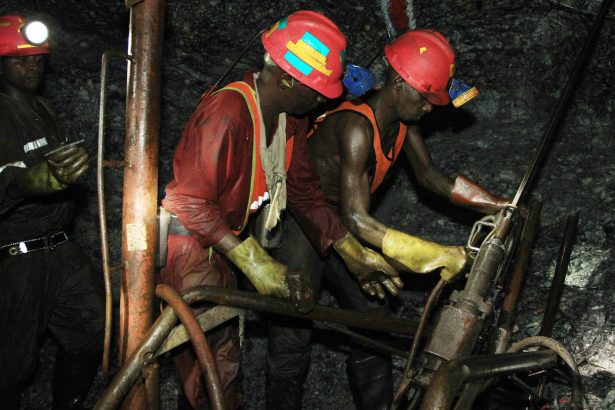
The Ghana Mineworkers’ Union (GMU) has sounded the alarm over growing job insecurity and deteriorating employment conditions in the mining sector, even as gold prices reach record highs.
Speaking at the union’s second-half National Executive Council meeting in Accra, General Secretary Abdul Moomin described current employment trends as “retrogressive,” highlighting that more than 90% of miners now work under non-standard contracts, including temporary, casual, and fixed-term arrangements.
Moomin attributed the shift to the fragmentation of production, extensive outsourcing, and policy reforms by the Minerals Commission that he said undermine traditional labour protections. He warned that the trend exposes workers to greater risk of workplace accidents, weaker employment protections, and increased violations of trade union rights.
“The current arrangements prioritise contract costs over workers’ well-being,” Moomin said, urging the government and sector stakeholders to take urgent action to restore security and fairness in mining employment.
The union also revisited the 2018/2019 financial sector cleanup, during which more than 19,000 miners’ deposits—including provident, welfare, leave savings, and severance funds—were left locked in Bank of Ghana-regulated institutions. Moomin accused the BoG of failing in its supervisory and fiduciary responsibilities.
More Read
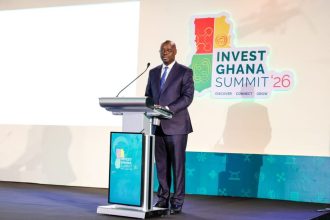
Earlier this week, Finance Minister Dr Cassiel Ato Forson said the Bank of Ghana must recover assets from the distressed institutions to reimburse depositors, noting that the Ministry lacks sufficient funds. He estimated the amount required at GHS 10.45 billion.
While welcoming the minister’s statement, Moomin insisted miners view the response as inadequate and unfair. He reiterated that the union expects a full refund of all blocked funds and warned that miners are prepared to take action if their demands are not met.