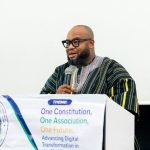
The President of the Global Africa Trade Advisory Chamber (GATAC), Dr Dominic Oduro-Antwi, has cautioned businesses against becoming overly dependent on artificial intelligence (AI), saying technology must complement rather than replace human judgment.
He said although AI presents businesses with opportunities to improve operations, increase efficiency and reduce dependency, entrepreneurs must ensure that technological tools do not take over critical thinking and decision-making.
“AI can help you to do certain things but the issue is that AI cannot think for you,” Dr Oduro-Antwi said.
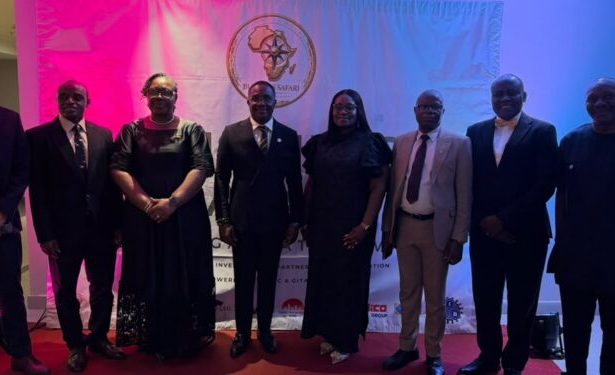
He was speaking at the 9th edition of the Business Safari organised by GATAC and GITAC on Thursday, August 6, 2026, under the theme “Innovation on a Global Scale”.
Dr Oduro-Antwi said businesses must combine technological tools with knowledge and wisdom as they seek to innovate and remain competitive.
More Read
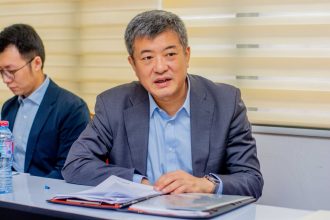
He said GATAC’s approach to innovation was also focused on identifying people with viable concepts and connecting them with the resources and expertise required to develop those ideas.
Through its “Knowledge Bank” programme, he said, the chamber identifies individuals with business concepts and links them with potential financiers and partners who can help turn the ideas into viable ventures.
He said the initiative was particularly relevant to young entrepreneurs who often have innovative ideas but lack the connections or resources required to implement them.
Dr Oduro-Antwi described young people as the “now generation”, rather than the future generation, and said they must be given the support needed to contribute to economic development immediately.
He also stressed the importance of assessing the commercial viability of projects before they are linked to funding.
According to him, GATAC considers factors including a project’s viability and potential return on investment (ROI) before seeking to facilitate funding.
“We cannot just go ahead and be funding projects that you don’t know, especially the ROI. It’s very key, and then even whether the product, the project is also viable,” he said.
He said the approach was necessary to ensure that investment was directed towards projects with realistic prospects of becoming sustainable businesses.
Africa must embrace innovation to compete globally
Representing the Minister for Labour, Jobs and Employment, Dr Abdul-Rashid Hassan Pelpuo, at the event, Chief Director of the Ministry, Hamidu Adakurugu, Esq., said Africa’s ability to compete globally would increasingly depend on its capacity to embrace innovation, strengthen trade and close its digital infrastructure gap.
He said Africa’s population of more than 1.5 billion people, abundant natural resources, expanding markets and entrepreneurial population provide significant opportunities for economic transformation.
However, he said the continent continues to face structural challenges that have kept its share of global growth relatively modest.
Mr Adakurugu said Africa must therefore move beyond the question of whether it can compete globally and focus on accelerating its integration into the global economy.
He said connecting Africa to the world should encompass economic integration, digital connectivity, knowledge exchange, cultural collaboration and investment.
According to him, stronger intra-African trade would reduce dependency, strengthen regional supply chains and improve the continent’s resilience to global economic shocks.
He also called for increased investment in scientific research, technology and innovation, particularly to bridge the digital divide.
“We must recognise the importance of digital infrastructure as much as physical infrastructure. No economy can compete globally without efficient infrastructure,” he said.
Mr Adakurugu said Africa’s future would not be determined solely by its natural resources but by how effectively it enables creativity, invests in its people, embraces innovation and builds partnerships.
He urged governments, businesses and citizens to work towards creating a more interconnected, competitive and resilient African economy.
“Together, we can build an Africa that is connected to the world, powered by innovation, strengthened through trade, and committed to sustainable growth for generations yet to come,” he said.