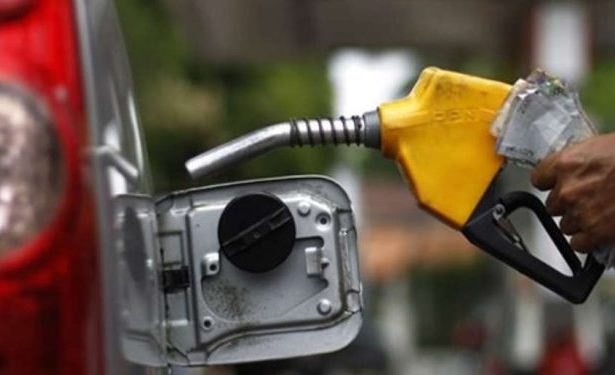
The minimum prices for petrol, diesel and Liquefied Petroleum Gas (LPG) have all been increased for the second pricing window of September, setting the stage for higher fuel prices from Wednesday, September 16.
The National Petroleum Authority (NPA) has set the new minimum price for petrol at GH¢16 per litre, while diesel will have a floor price of GH¢16.77 per litre.
The minimum price for LPG has also been increased to GH¢10.97 per kilogramme.
The new petrol floor represents an increase of GH¢1.47 per litre from the previous GH¢14.53, while diesel has gone up by GH¢1.17 from GH¢15.60.
LPG has recorded a smaller increase of GH¢0.12 per kilogramme, rising from GH¢10.85 to GH¢10.97.
More Read

The NPA price floors, however, do not necessarily represent the final prices motorists and households will pay at fuel stations.
Oil Marketing Companies and LPG Marketing Companies are required to comply with the prescribed minimum prices for the applicable pricing window, but the floors exclude several components, including premiums charged by international oil trading companies and the operating margins of bulk importers, distributors and exporters.
Marketers’ and dealers’ margins are also determined independently under the petroleum pricing guidelines.
The Chamber of Petroleum Consumers (COPEC) is therefore projecting further increases in pump prices during the second pricing window.
COPEC forecasts a 4.24% increase in petrol prices and a 10.23% increase in diesel prices, which could push diesel to about GH¢19.07 per litre and petrol to approximately GH¢16.26 per litre.
LPG is also projected to rise to about GH¢15.32 per kilogramme.
COPEC has consequently appealed to government to extend its fuel subsidy intervention to cushion consumers against the expected increases.
The group is proposing a GH¢1 per litre relief on petrol while maintaining the existing GH¢2 per litre relief on diesel until international petroleum prices stabilise.
The expected increases come amid higher international crude oil and refined petroleum product prices, with tensions in the Middle East raising concerns about possible disruptions to global supply.
Ghana’s reliance on imported refined petroleum products means changes in global oil prices and exchange-rate conditions can quickly affect prices at the local pumps.
Higher fuel prices could also increase transportation and logistics costs, putting additional pressure on businesses and household spending.