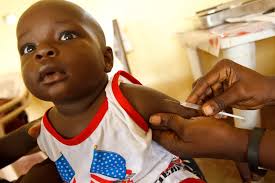
Doctors at the Kwame Nkrumah University of Science and Technology (KNUST) are warning that children in Ghana are still dying from pneumonia – a preventable disease – as gaps in vaccination leave children unprotected ahead of World Immunization Week (24–30 April).
This is despite vaccines that protect against serious illnesses including pneumonia, meningitis, measles, and other life-threatening infections being widely available and free of charge, with organisations working to raise awareness and help address barriers to vaccination, including Pfizer.
A recent analysis found that only 56.45% of children aged 12–35 months are fully vaccinated according to Ghana’s national immunisation schedule, with significant regional disparities.
“I have seen children die from pneumonia who had never been vaccinated,” says Dr Sandra Kwarteng Owusu, Paediatric Pulmonologist and Associate Professor at KNUST and Komfo Anokye Teaching Hospital.
Dr Owusu says missed vaccinations are driven by a combination of factors, including:

vaccine hesitancy, fuelled by misinformation and in communities
delays in seeking care, with symptoms initially dismissed as mild illness
practical barriers, including transport costs, distance to clinics, and competing priorities such as farming or work
Health experts warn that even small declines in routine vaccination coverage can reduce herd immunity and increase the risk of outbreaks, pointing to recent measles outbreaks in northern Ghana as a reminder of how quickly gaps in protection can have serious consequences.
“What has emerged after the pandemic is vaccine hesitancy – some parents are still unsure whether it is safe to vaccinate their children,” she explains.
Pneumonia can begin with cough and fever, but in young children can quickly progress to:
fast or difficult breathing
chest indrawing
difficulty feeding
life-threatening complications if untreated