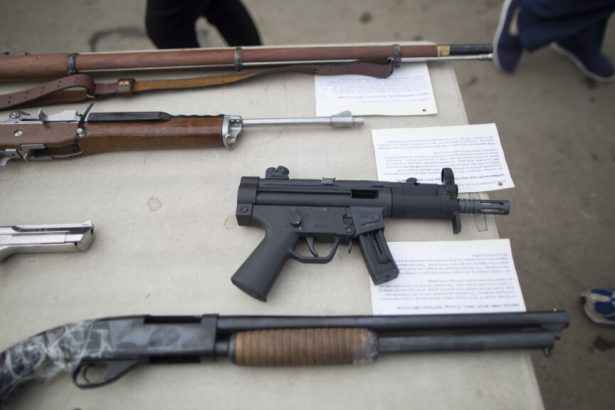
The National Commission on Small Arms and Light Weapons (NACSA) has raised the alarm over a dramatic increase in gun-related violence across Ghana, with the Ashanti Region emerging as the epicenter of this troubling trend.
According to NACSA’s 2025 First Quarter Open-Source Gun Incidence Report (OGI), the country recorded a staggering 253.3% rise in gun violence incidents compared to the same period last year, underscoring the urgent need for stronger legislative measures to curb the proliferation of illegal firearms.
Key findings from the report
- Sharp rise in Incidents:
The first quarter of 2025 saw 53 gun-related incidents, a shocking leap from the 15 cases reported in early 2024. This surge highlights a dangerous escalation in armed crimes, with the Ashanti, Northeast, and Northern regions bearing the brunt of the violence. - Nationwide spread:
Gun violence is no longer confined to specific hotspots. In 2025, 15 out of Ghana’s 16 regions reported incidents, up from just 9 regions in 2024. This widespread distribution signals a deepening crisis that demands immediate intervention. - Diverse criminal activities:
Armed robberies, violent confrontations, and chieftaincy disputes accounted for over 60% of gun-related crimes. However, the report also noted emerging trends, including land disputes, indiscriminate shootings, and celebratory gunfire—a practice that has turned deadly in several instances. - Gender disparity in victims and perpetrators:
Men dominated the statistics, representing 59% of perpetrators and 67% of victims. Tragically, 64 of the 72 recorded fatalities were male, painting a grim picture of the human cost of unchecked gun violence. - Unidentified weapons challenge investigations:
A staggering 54% of firearms recovered from crime scenes could not be traced, complicating efforts to dismantle illegal arms networks and hold offenders accountable.
Call for legislative action
NACSA has emphasised that these findings underscore the critical need for the swift passage of the Draft National Arms Bill, which aims to strengthen regulations on firearm ownership, improve tracking mechanisms, and impose stricter penalties for illegal arms possession.
Carl Nii Anyetei Sowah, NACSA’s Acting Head of Communications, urged lawmakers and civil society organizations to prioritize the bill’s enactment: “The unchecked spread of gun violence threatens the very fabric of our society. We cannot afford delays in implementing measures that will save lives and restore security.”
As Ghana grapples with this escalating crisis, the report serves as a stark reminder of the consequences of weak arms control.

The proliferation of unidentified weapons, coupled with the diversification of gun-related crimes, suggests that without decisive action, the situation could worsen.