Government has unveiled an ambitious transport and trade strategy that places rail infrastructure at the centre of Ghana’s ambition to become a key logistics gateway for the Sahel region, with plans to develop a dedicated freight corridor linking Takoradi to Hamile in the Upper West Region.
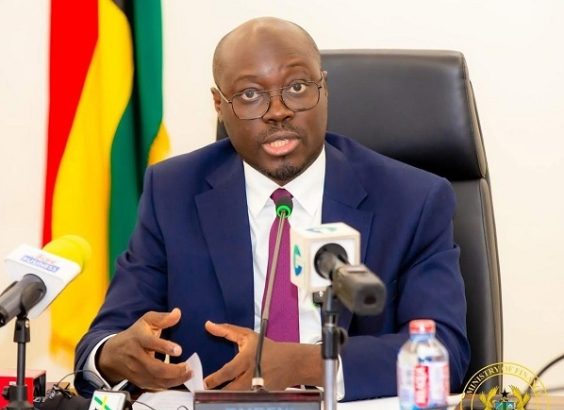
The proposal, announced by Finance Minister Dr. Cassiel Ato Forson, forms part of a broader policy direction aimed at reducing pressure on the country’s deteriorating road network while strengthening Ghana’s position in regional transit trade.
Under the plan, cargo destined for landlocked Sahelian countries such as Burkina Faso and Mali will be channelled through the Takoradi Port and transported by rail through a proposed 1,012-kilometre line extending to Hamile, near Ghana’s northern border.
Dr. Forson explained that the strategy is designed not only to improve efficiency in cargo movement but also to protect public investment in road infrastructure, which continues to suffer extensive damage from heavy-duty trucks.
He warned that government is preparing stricter enforcement measures to address the long-standing problem of overloading on Ghana’s highways.
More Read
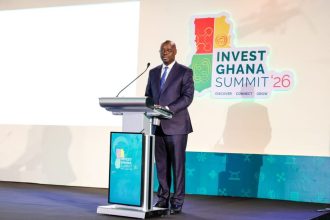
“My problem here is these vehicles that are overloading and destroying the roads. We will ensure that overloading and destroying this investment that we are making becomes a thing of the past, and it will come with very punitive measures,” he said.
Beyond enforcement, the Finance Minister said government’s focus is shifting towards long-term structural reforms that will permanently change how transit cargo is handled in the country.
He indicated that Takoradi Port is being positioned as the preferred entry point for goods destined for the Sahel, with rail transport expected to replace heavy truck movement along major highway corridors.
“The long term and the medium term is for us to have a railway that will serve our brothers and sisters in the Sahel. Bring your goods to Takoradi and they will haul it straight by rail to Hamile,” Dr. Forson stated.
According to him, preliminary discussions have already begun with counterparts in Burkina Faso, Mali and other Sahel countries on possible funding and cooperation frameworks for the project, which is expected to be implemented over a three to five-year period.
If implemented, the railway corridor is expected to significantly reduce congestion and road damage on Ghana’s transport arteries while positioning the country as a competitive transit hub in West Africa’s emerging trade architecture.
Government officials say the project also aligns with broader regional integration goals under ECOWAS trade facilitation frameworks.