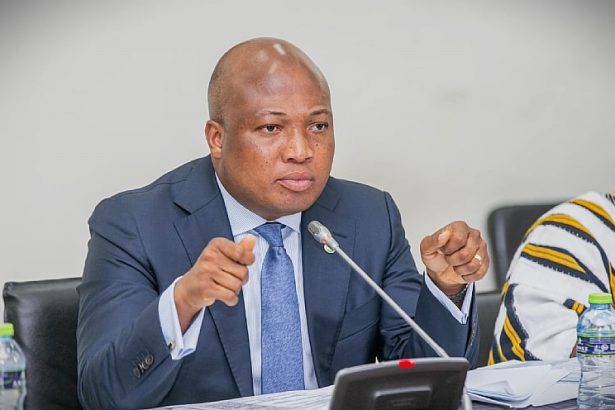
Minister for Foreign Affairs, Samuel Okudzeto Ablakwa, has declared that critics who dismissed Ghana’s landmark United Nations resolution on the trans-Atlantic slave trade as an “academic exercise” are now being proven wrong as the global movement for reparatory justice gathers unprecedented momentum.
Addressing a gathering of heads of state, foreign ministers, academics and members of the African diaspora at the Global Reparations Conference in Accra, Mr Ablakwa argued that reparatory justice has moved from the fringes of international discourse to the centre of global policy conversations.
According to him, developments around the world—including formal apologies, acknowledgements of historical wrongdoing and policy reforms—have vindicated Ghana’s long-standing advocacy for justice for descendants of enslaved Africans.
He noted that the UN resolution declaring the trans-Atlantic slave trade and the enslavement of Africans as the gravest crime against humanity has played a significant role in elevating the reparations debate on the global agenda.
“Those who said this was merely an academic exercise should now be revising their notes,” Mr Ablakwa remarked.
More Read
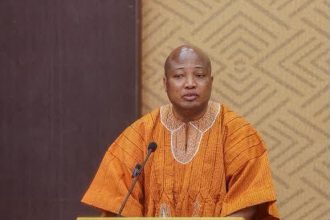
He stressed that evidence emerging from international engagements and policy discussions demonstrates that reparatory justice is no longer a peripheral issue.
“The reports from these conversations demonstrate that reparatory justice is no longer a peripheral issue. It is now firmly established as a legitimate global concern that demands serious engagement and thoughtful solutions,” he stated.
The Foreign Affairs Minister cited recent apologies from major religious institutions as proof that the world is beginning to confront the painful legacy of slavery.
Among them, he referenced an apology from Pope Leo XIV on behalf of the Catholic Church for its historical role in slavery and the papal decrees that provided theological justification for the practice.
“We have warmly accepted the apology,” Mr Ablakwa said, noting that Ghana and its international coalition, led by President John Dramani Mahama, view such acknowledgements as important steps toward reconciliation.
He also highlighted a similar apology from the leadership of the Church of Scotland over its involvement in the slave trade.
Turning to Europe, the Minister pointed to efforts by French President Emmanuel Macron to confront France’s colonial history, including initiatives aimed at addressing the legacy of the Code Noir, the notorious legal framework that reduced Africans to property during the era of slavery.
Mr Ablakwa revealed that President Macron is expected to address participants at the Accra conference, further underscoring growing international interest in the reparations agenda.
He concluded that the increasing number of acknowledgements, apologies and policy reforms across the world demonstrates that reparatory justice can no longer be dismissed as a theoretical or academic concept.
Rather, he said, it has evolved into a serious international issue influencing diplomacy, historical accountability and global policy discussions.