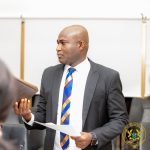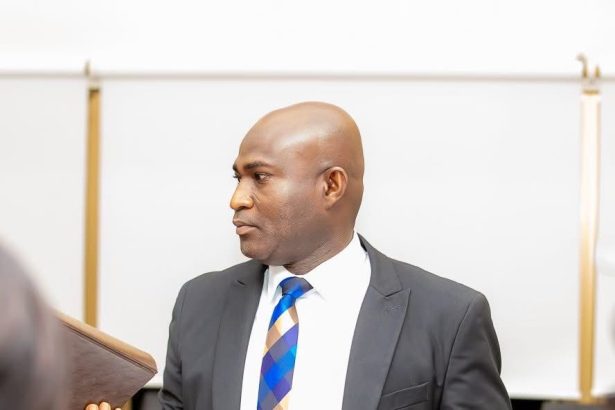
As factional divisions and political tensions continue to emerge within the National Democratic Congress (NDC), particularly in northern Ghana, Dr. Sa-ad Iddrisu is being described as a unifying figure whose commitment to party principles transcends internal political affiliations.
At a time when competing camps are taking shape and party members are increasingly divided over their political loyalties, Dr. Iddrisu is said to be championing unity, fairness and collective responsibility within the governing party.
His supporters say his political approach is not dictated by factional interests but by what serves the broader interests of the NDC and the people of northern Ghana.
While some party members are preoccupied with questions about political camps and allegiances, Dr. Iddrisu is said to be more concerned about how the party can maintain unity, strengthen its grassroots structures and secure electoral victory.
Described as a bridge-builder, he is credited with maintaining cordial relationships with party members across different political divides, treating comrades with respect and fairness irrespective of the leaders they support or their length of service to the party.
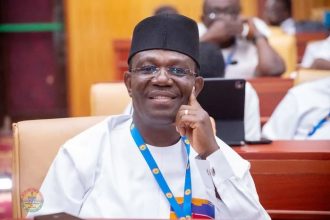
His approach, according to his admirers, reflects the need for political maturity and tolerance at a time when internal disagreements threaten to undermine the cohesion of the NDC in the northern regions.
They argue that the party needs leaders who can bring opposing groups together, encourage dialogue and create an atmosphere where every member feels recognised and valued.
“He builds bridges where others build walls. He brings people together where others deepen divisions and helps comrades find common ground when others pull them apart,” his supporters say.
They maintain that the NDC’s strength in the North should not be measured by the influence of individual political camps but by its ability to unite its members around a common purpose.
According to them, the party requires leaders who are prepared to listen to different opinions, accommodate competing interests and place the collective good above personal ambitions.
Dr. Iddrisu is therefore being projected as a principled political figure whose calm disposition and commitment to inclusiveness could help ease tensions and strengthen internal cohesion.
His supporters insist that the NDC must move beyond factional loyalties and concentrate on building a united front capable of delivering victory and advancing the interests of the people.
They believe that putting the party before personal and factional interests remains essential to sustaining its political fortunes in northern Ghana.
For them, Dr Sa-ad Iddrisu represents the kind of leadership the NDC needs at this critical moment, one anchored in principle, fairness, dialogue and unity rather than factional allegiance.
As internal political competition intensifies, his admirers say the party would benefit from more leaders willing to serve as bridges rather than deepen existing divisions.