……..Fish farmers call for the government support
By Paul Mamattah
Aquaculture plays a crucial role in Ghana’s economy, providing employment for thousands of people and contributing significantly to the country’s fish supply.
However, the industry’s growth is now at risk due to these financial pressures. If production costs remain high, many farmers may abandon fish farming altogether, leading to an increased reliance on imported fish, which would further drain Ghana’s foreign exchange reserves.
Ghana’s aquaculture industry is facing significant challenges as the rising cost of production inputs, such as fish feed and nets, puts immense financial pressure on fish farmers.
More Read
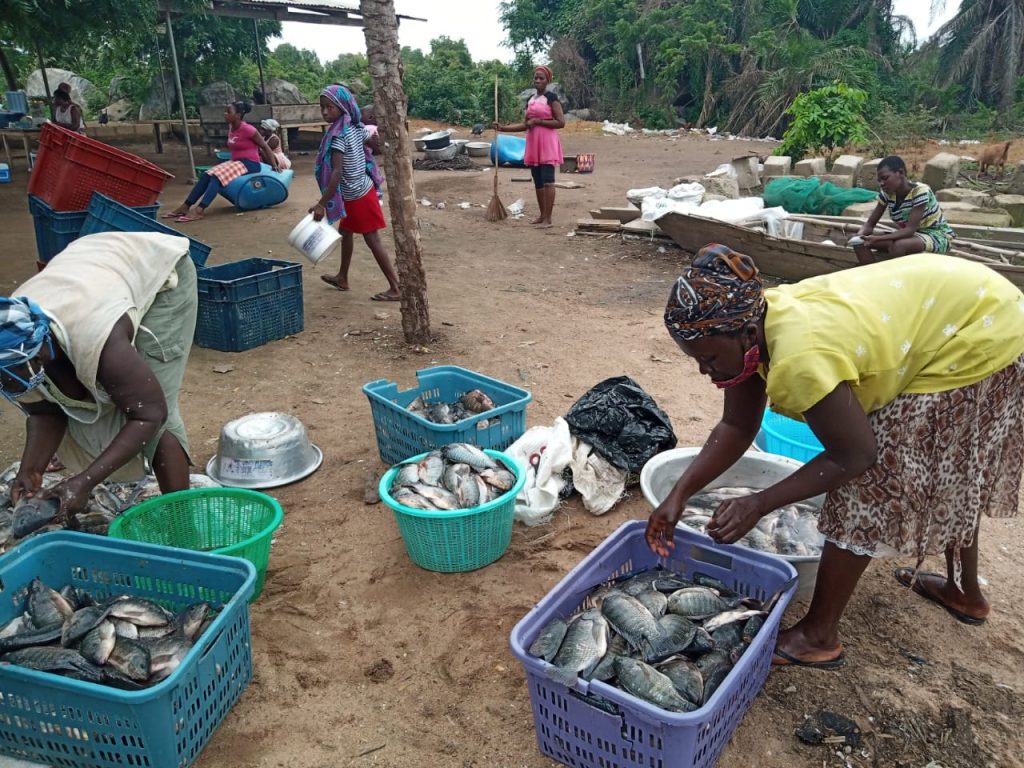
Many in the sector are struggling to keep their businesses afloat, with some being forced to scale down operations or shut down entirely.
This growing crisis is threatening not only the livelihoods of fish farmers but also the nation’s food security and economic development.
For many fish farmers, the cost of fish feed alone accounts for a significant portion of their total production expenses.
Imported feed prices have skyrocketed due to global economic conditions, inflation, and supply chain disruptions.
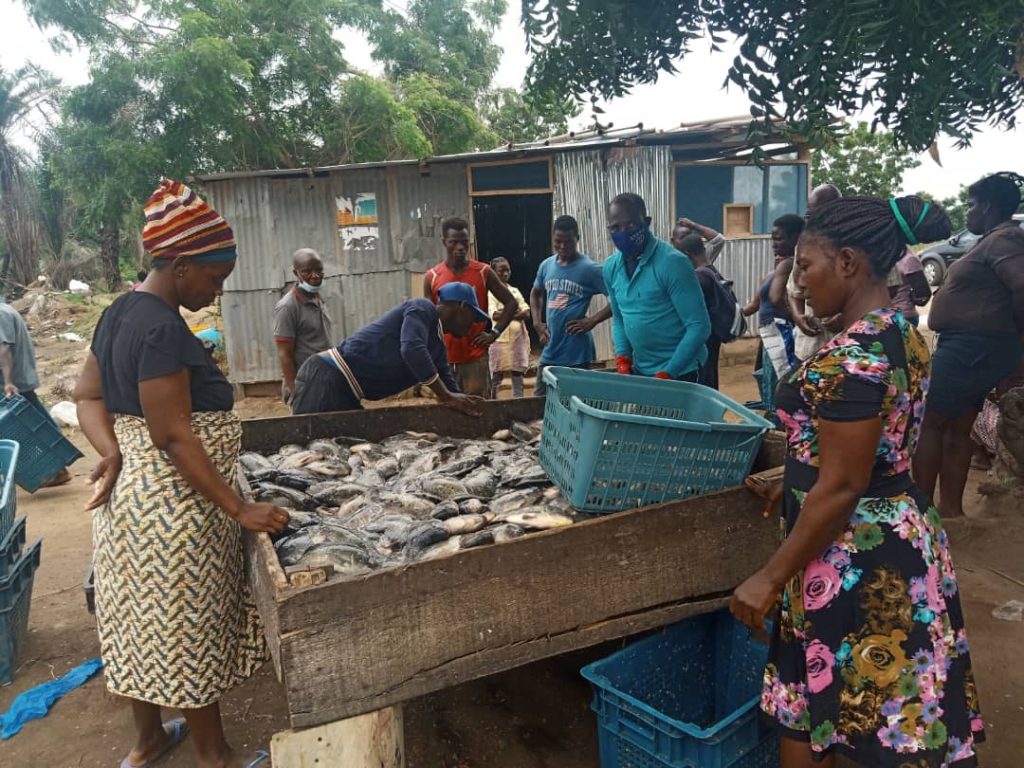
Local feed production has also been insufficient to meet demand, forcing farmers to rely on expensive imported alternatives.
In addition to feed, essential inputs such as fishing nets, fingerlings, and water treatment chemicals have also seen price hikes.
These rising costs have made it difficult for small-scale and medium-scale fish farmers to break even, let alone make a profit.
As a result, many farms are reducing their fish stock, which could lead to lower fish supply in the market and higher prices for consumers.
Recognizing the urgency of the situation, the Joma Area Fish Farmers Association has called on the government to subsidize fish feed production and reduce import duties on aquaculture equipment to make them more affordable for fish farmers citing the high cost of production as a major challenge crippling the industry.
Talking to the Herald Newspaper at Joma in the Amasaman Constituency of the Greater Accra Region, a fish farmer and member of the Association, Amebor Wisdom highlighted the soaring costs of essential inputs such as fish feed and nets, which have significantly driven up production expenses.
He explained that these rising costs have forced farmers to increase the prices of their products, ultimately burdening consumers.
“The high cost of production is not the fault of farmers, but it is affecting everyone. If the government can subsidize these inputs, it will help us produce at lower costs and sell at more moderate prices,” he said.
The fish farmer also emphasized the potential of the aquaculture sector to address Ghana’s unemployment crisis, particularly among graduates.
“Many graduates are sitting at home without jobs. If the government supports fish farming, it can create employment opportunities and reduce unemployment,” Mr. Amebor noted.
While acknowledging the government’s efforts to promote the fisheries sector, including recent statements by the President, Mr. Amebor stressed the need for tangible support.
He called for subsidies on inputs, tax reductions on imported farming materials, and training programmes to equip farmers with the skills needed to improve productivity and reduce costs.
Echoing these concerns, the President of the Joma Area Fish Farmers Association, Joseph Alobuia, pointed out that the prices of raw materials such as nets, bikes, and empty barrels have tripled in recent years.
“We cannot reduce the prices of our fish because the cost of production keeps rising. We urge the government to reduce taxes on imported farming materials, as these items are not produced locally,” he said.
Mr. Alobuia also highlighted the escalating cost of fish feed, which has become a significant burden for farmers.
“Two years ago, a bag of feed cost GH₵150. Now, it sells for GH₵230, and some even go as high as GH₵500. This is unsustainable for many farmers,” he explained.
The Association’s President welcomed the newly appointed Minister for Fisheries and Aquaculture Development, Madam Emelia Arthur, and expressed hope that the government would address their concerns.
Mr. Alobuia urged the government to implement measures that would reduce production costs for farmers, promote economic development, and alleviate the financial burden on citizens.
He also encouraged young people to consider fish farming as a viable career path, emphasizing its potential to drive economic growth and create jobs.
The appeal by the Joma Area Fish Farmers Association comes amid growing concerns over the rising cost of living in Ghana and the need for government intervention to support local industries.
As the government continues to prioritize agriculture and fisheries as key drivers of economic growth, stakeholders in the aquaculture sector remain hopeful that their calls for support will be met with actionable policies to sustain and grow the industry.