By Patrick Biddah
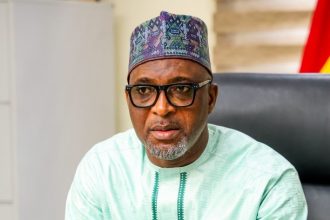
Ghana’s Minister for the Interior, Muntaka Mohammed-Mubarak, has called for stronger global discussions on reparative justice, saying historical injustices from colonialism must be acknowledged and addressed to build a fairer future.
Speaking at the 74th Commonwealth Day flag-raising ceremony at the Forecourt of the State House in Accra on March 9, the minister said although the Commonwealth of Nations has evolved into an association based on equity and partnership, it remains important to confront the historical legacy of exploitation.
“While the Commonwealth has grown into a community grounded in dialogue and cooperation, we must acknowledge historical injustices and support global conversations on reparative justice,” he said.
“The consequences of exploitation and inequality cannot be ignored if we seek lasting peace and fairness.”
More Read
The ceremony, held under the theme “Unlocking Opportunity Together for a Prosperous Commonwealth,” brought together diplomats, government officials and business leaders to mark the annual observance.
Mr. Mohammed-Mubarak said the values of peace, cooperation and shared responsibility within the Commonwealth were not merely symbolic but essential investments in global stability and solidarity among nations.
He said Ghana remained firmly committed to the Commonwealth’s ideals and to a future anchored in peace, prosperity and progress, adding that the country would continue to strengthen democratic governance, promote human rights, empower young people and advance sustainable development.
The minister noted that the ongoing constitutional review process under the government of President John Dramani Mahama would contribute to these objectives, stressing that policies under the President’s governance agenda demonstrate that these commitments are practical foundations for building a resilient and prosperous future.
Touching on global challenges, he said the world faced complex and interconnected threats and cautioned against any attempt to replicate pre-World War global power structures.
Instead, he said, the future must be built on the collective strength and cooperation of sovereign nations.
Mr. Mohammed-Mubarak also pointed to the growing impact of climate change on Commonwealth members, particularly small island developing states and vulnerable regions in Africa and Asia, noting that millions of livelihoods were at risk.
He welcomed initiatives such as the Commonwealth Climate Finance Access Hub, which supports member states in accessing climate finance and strengthening institutional capacity for adaptation and mitigation programmes.
The minister further highlighted the transformative impact of emerging technologies such as artificial intelligence and quantum computing on global labour markets, urging the Commonwealth to promote innovation and create opportunities for young people to shape the future.
Meanwhile, a message from the Secretary-General of the Commonwealth, Shirley Ayorkor Botchwey, delivered on her behalf, underscored the diversity and strength of the Commonwealth community, which includes small island states facing climate threats and major economies influencing global markets.
She said the shared connections among member states through language, education, business, law and culture help lower barriers and deepen trust, adding that “at a time of global uncertainty, that trust itself becomes a source of strength.”
Ms. Botchwey noted that citizens across the Commonwealth were looking for security in their livelihoods, fairness in global systems, inclusive economic growth and institutions that listen and respond.
She also expressed optimism ahead of the upcoming Commonwealth Heads of Government Meeting in Antigua and Barbuda, saying member states must work together to ensure cooperation leads to resilience, stability and shared prosperity.