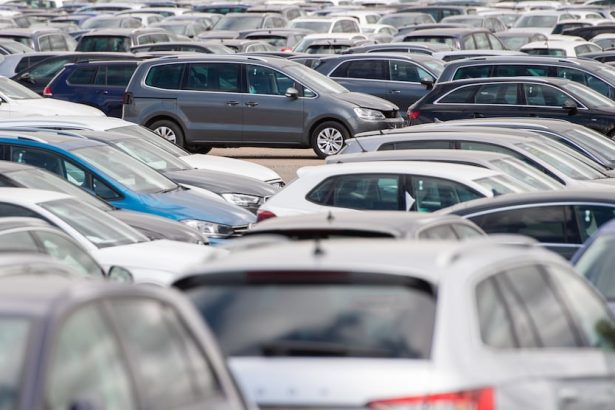
The Ghana Standards Authority (GSA) has set 1 October 2026 to begin enforcing stringent new rules aimed at stopping the importation of flood-damaged, burnt and other unsafe used vehicles into the country.
Under the Pre-Export Verification of Conformity (PVoC) programme, all used vehicles destined for Ghana must comply with GS 4510 before leaving their exporting countries.
The move is expected to tighten quality control, improve road safety, protect the environment and prevent Ghana from becoming a dumping ground for defective vehicles.
Vehicles that have been submerged in water, damaged by floods, burnt by fire or suffered structural damage to their chassis or safety cages will be denied entry under the new regime.
The standard also bans originally manufactured right-hand-drive vehicles, vehicles assembled from spare parts, vehicles without speedometers displaying kilometres per hour and vehicles older than 10 years.

The GSA says the programme will improve consumer protection, enhance the quality of imported vehicles and strengthen regulation of the country’s automotive industry.
Officials also believe it will formalise the used vehicle sector, improve access to vehicle financing and boost investor confidence.
Deputy Director-General for General Services, Samuel Abdulai Jabanyite, said the initiative now enjoys broad stakeholder support despite initial resistance.
He said the Authority was determined to stop Ghana from receiving unsafe vehicles that threaten lives and the environment.
“We are trying to plug a major loophole so that all the automotive waste coming into Ghana as a dumping ground, which is killing our people and creating environmental hazards, becomes a thing of the past,” he said.
Mr Jabanyite stressed that while vehicles with severe structural damage would be rejected outright, those that could be repaired to meet roadworthiness standards would still be assessed by accredited third-party inspectors.
The GSA also announced the rollout of the Vehicle Dealer Information System (VEDIS), a digital platform designed to combat vehicle theft and prevent the registration of stolen vehicles.
According to Mr Jabanyite, the platform will connect databases from the GSA, DVLA, insurance companies, Interpol and National Security, allowing authorities to verify vehicle records instantly before registration.
He said the integrated system would help ensure that only legitimate and roadworthy vehicles enter Ghana’s roads while strengthening oversight of the country’s vehicle import regime.