…..24-Hour operation enhances fuel supply chain
The National Petroleum Authority (NPA) has facilitated the introduction of round-the-clock vessel berthing and unberthing operations at the Tema Oil Jetty, significantly improving the discharge of petroleum products and enhancing operational efficiency at one of Ghana’s key fuel importation facilities.
The initiative, implemented in collaboration with the Ghana Ports and Harbours Authority (GPHA) and the Ghana Standards Authority (GSA), has enabled the Ghana Petroleum Mooring Systems Company Limited (GPMS) to increase its fuel discharge operations following the commencement of 24-hour services last year.
The development represents a major improvement in the country’s downstream petroleum infrastructure, addressing longstanding operational challenges that previously restricted vessel movements at the facility after 5 p.m.
The Operations and Maintenance Manager of GPMS, Francis Owusu, disclosed that the transition to 24-hour operations became possible following the resolution of technical challenges and improvements in lighting and security arrangements at the jetty.

According to him, the interventions have enhanced the facility’s capacity to receive and discharge petroleum products, allowing vessels to berth and unberth beyond the previously restricted operating hours.
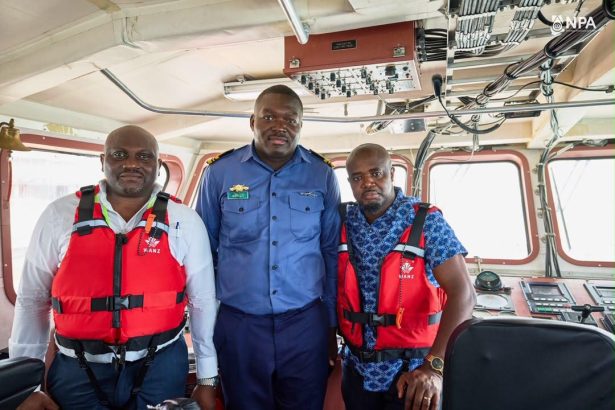
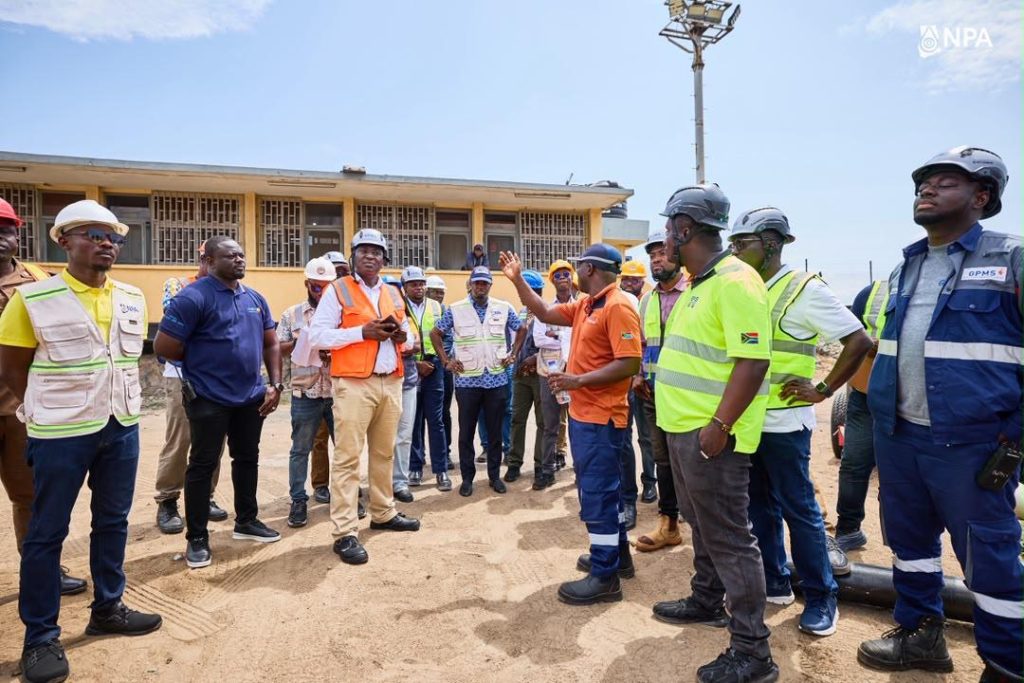
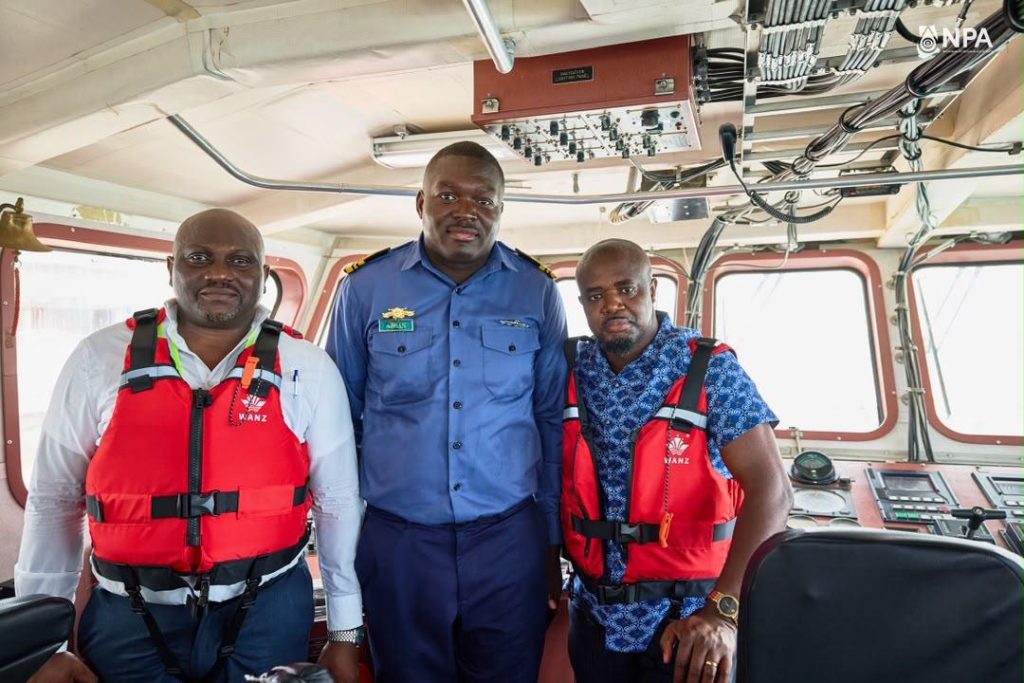
Mr Owusu made this known during a briefing for representatives of civil society organizations (CSOs) following a field visit to GPMS’s offshore mooring facilities and the Tema Oil Jetty on Thursday.
The visit, organized by the NPA, was intended to provide civil society representatives with firsthand knowledge of the infrastructure, operational procedures and regulatory arrangements underpinning Ghana’s downstream petroleum industry.
The delegation toured the Single Point Mooring (SPM) and Conventional Buoy Mooring (CBM) facilities, which play critical roles in the discharge of petroleum products imported into the country.
Addressing the delegation, the Chief Executive of the NPA, Godwin Kudzo Tameklo, explained that the jetty previously operated under restrictions that prevented vessels from berthing after 5 p.m., even when ships were waiting to discharge their cargo.
The situation, he indicated, contributed to vessel queues and operational delays, underscoring the need for improvements to enable the facility to operate beyond daylight hours.
Through the NPA’s intervention and collaboration with the relevant state institutions, the technical and operational challenges were addressed, paving the way for the introduction of continuous vessel berthing and unberthing services.
The new arrangement is expected to strengthen efficiency in the discharge of imported petroleum products and improve the utilization of the country’s petroleum handling infrastructure.
The Conventional Buoy Mooring system at Tema comprises four permanent mooring chains fitted with anchors, which hold vessels in position and prevent them from rotating freely in response to changing wind and current conditions.
The offshore facility is situated approximately 2.7 nautical miles from the Tema Fishing Harbour and forms an important part of the infrastructure supporting petroleum imports.
The Tema Oil Jetty, meanwhile, operates as a multipurpose petroleum terminal capable of handling the discharge and loading of a wide range of petroleum products.
These include crude oil, fuel oil, aviation turbine kerosene (ATK), gasoil, petrol, naphtha and liquefied petroleum gas (LPG), including butane and propane.
The facilities are critical to the country’s petroleum supply chain, providing infrastructure for the movement of imported petroleum products into the domestic market.
Beyond the operational improvements, the NPA’s engagement with civil society organizations formed part of efforts to deepen transparency, strengthen stakeholder participation and improve public understanding of activities within the downstream petroleum sector.
Speaking on behalf of the participating organizations, the Executive Director of the Institute for Energy Policy and Research, Kwadwo Opoku, commended the NPA Chief Executive for his commitment to openness and stakeholder engagement.
He expressed appreciation for the Authority’s decision to provide civil society representatives with direct access to the facilities and an opportunity to interact with officials responsible for their operations.
Mr Opoku particularly praised Mr Tameklo for maintaining what he described as an open-door policy that gives civil society organizations “in-depth knowledge” of operations in the downstream petroleum industry.
He acknowledged the importance of such engagements in helping stakeholders better appreciate the technical complexities, infrastructure requirements and operational challenges associated with petroleum importation and distribution.
The visit also provided an opportunity for the participants to familiarize themselves with the offshore installations and the measures introduced to improve the efficiency of handling petroleum products at the Tema facility.