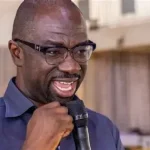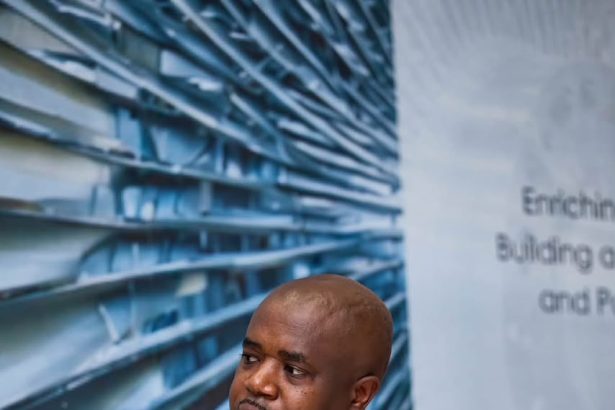
The Chief Executive of the National Petroleum Authority (NPA), Godwin Kudzo Tameklo, has called for clearly defined institutional mandates across Ghana’s energy sector, warning that overlapping responsibilities could undermine investment and regulatory efficiency in the petroleum industry.
He said stronger coordination among agencies under the Ministry of Energy and Green Transition was necessary to eliminate uncertainty for investors and industry operators navigating the country’s petroleum and gas value chain.
Mr Tameklo made the call during a high-level panel discussion at the 2026 Local Content Conference and Exhibition in Takoradi, where industry stakeholders examined ways to strengthen investment and local participation in the petroleum sector.
Addressing the topic, “Enhancing Institutional Arrangements to Optimise Investments Across the Gas Value Chain”, he emphasised the need for a clearly structured regulatory framework that defines the responsibilities of the various institutions.
He said unclear institutional boundaries and overlapping functions could complicate regulatory processes, delay decisions and create uncertainty for businesses seeking to invest in the sector.

According to him, clearly established mandates would help institutions discharge their responsibilities more effectively while improving cooperation across the petroleum industry.
Mr Tameklo said a coordinated regulatory environment would also give investors and operators a better understanding of the institutions responsible for different aspects of the energy value chain.
His remarks come as Ghana seeks to strengthen investment in its petroleum and gas industry while expanding local participation and improving the competitiveness of indigenous businesses.
The conference, organised by the Petroleum Commission, was held from November 10 to 13 under the theme, “Enriching Local Content for Sustainable Growth: Building a Resilient Upstream Sector through Reforms and Partnerships to Spur Competitiveness and Investment”.
It brought together government officials, regulators, international oil companies, local businesses, investors and other industry players to deliberate on reforms and partnerships needed to support sustainable growth in the petroleum sector.