The government will invest $1 billion in Ghana’s pharmaceutical industry to expand local medicine production, reduce dependence on imports and develop the country into a pharmaceutical export centre for West Africa.
Finance Minister Dr Cassiel Ato Forson said Ghana currently imports between 70 and 75 per cent of its medicines, costing the country approximately $500 million annually.
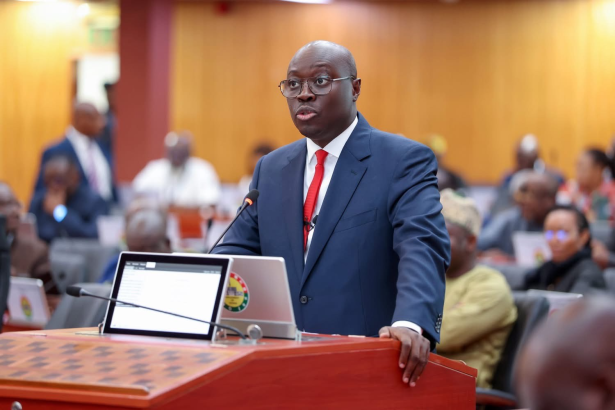
Presenting the 2027 Budget Statement to Parliament on Thursday, November 12, he said the investment would strengthen medicine security, create skilled industrial jobs and reduce pressure on foreign exchange.
“Ghana currently imports about 70 to 75 per cent of its medicines, costing approximately $500 million every year,” he said.
“We will invest $1 billion to strengthen medicine security, create skilled industrial jobs, conserve foreign exchange and build a pharmaceutical export platform for West Africa,” he added.
More Read

Dr Forson said the government would establish pharmaceutical manufacturing hubs in the Eastern and Central regions to increase domestic production capacity.
He said qualified Ghanaian and international manufacturers would be selected through transparent arrangements.
“Qualified Ghanaian and international manufacturers will enter through transparent leases and operating agreements,” he said.
The government also plans to amend the Public Procurement Act to give locally manufactured medicines priority in public procurement.
“We will amend the Public Procurement Act to require that public funds spent on medicines are used only to purchase medicines produced in Ghana, where those medicines are available in sufficient quantities and meet approved quality standards,” Dr Forson said.
The proposed procurement changes are expected to create a stronger domestic market for pharmaceutical manufacturers and encourage investment in local production.
The government says the initiative will help reduce the country’s reliance on imported medicines while building capacity to supply pharmaceutical products to other West African markets.