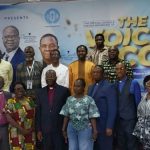
The Government of Ghana has expressed deep sympathy to individuals, families, and communities affected by recent flooding in Accra and other parts of the country following days of heavy rainfall, while reiterating its commitment to addressing the recurring challenge of urban flooding.
The Ministry responsible for water and sanitation-related interventions said it has been closely monitoring the situation and remains concerned about the widespread impact of the floods, particularly in low-lying and flood-prone communities where homes, businesses, and public infrastructure have suffered significant damage.
On behalf of President John Dramani Mahama and the Government of Ghana, the Ministry extended condolences to affected persons, acknowledging the emotional, social, and economic hardship caused by the disaster.
According to the statement, government recognises the losses suffered by households and businesses, including destroyed property and disrupted livelihoods, and assured affected communities that recovery efforts are being prioritised.
The statement further stressed that the recurring nature of flooding in Ghana’s urban centres highlights the urgent need for collective action involving both state institutions and citizens.
More Read
It noted that while climate change and increasingly intense rainfall patterns are contributing factors, human behaviour and urban management practices continue to significantly worsen the situation.
Citing concerns previously raised by President Mahama, the Ministry pointed to persistent challenges such as indiscriminate waste disposal into drains, construction on waterways and wetlands, and widespread disregard for physical planning regulations.
These practices, it said, obstruct natural drainage systems and intensify the impact of rainfall events across many communities.
Government emphasised that Ghana’s flooding problem is not primarily due to a lack of laws or technical expertise, but rather weak enforcement and poor environmental discipline among stakeholders.
It called for shared responsibility among public institutions, local assemblies, traditional authorities, and citizens to support efforts aimed at maintaining drainage systems, protecting watercourses, and ensuring compliance with land-use regulations.
In response to the current flooding situation, the Ministry said it has activated emergency response measures through the Ghana Hydrological Authority in collaboration with the National Disaster Management Organisation (NADMO), metropolitan, municipal and district assemblies, and the security services.
These interventions include the deployment of emergency teams to affected areas, distribution of relief items to displaced households, and rapid assessment of damaged infrastructure.
Authorities are also intensifying desilting and drainage clearance exercises in flood-prone communities as part of immediate mitigation efforts.
Beyond the emergency response, government outlined ongoing measures aimed at reducing future flood risks, including accelerated drainage improvement works, rehabilitation and expansion of stormwater infrastructure, enforcement of development controls, and removal of structures obstructing waterways.
The Ministry further indicated that collaboration among key institutions is being strengthened, alongside improvements in early warning systems and disaster preparedness mechanisms.
In the long term, government says it is committed to implementing a comprehensive flood management strategy anchored on sustainable urban planning, major investments in drainage infrastructure, restoration of wetlands and natural water retention zones, and stricter enforcement of environmental and building regulations.
It added that building resilient communities capable of adapting to climate change remains central to its development agenda as it seeks lasting solutions to Ghana’s perennial flooding challenges.