By Benjamin Makafui Attipoe, Sogakope
The Volta River Authority (VRA) has announced plans to dredge sections of the Lower Volta River from Akuse in the Eastern Region through the three Tongu districts of the Volta Region to Ada in the Greater Accra Region as part of efforts to improve the river’s flow and reduce the risk of flooding.
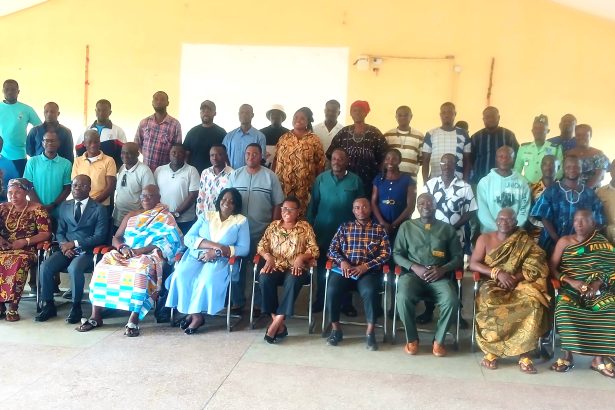
As part of preparations for the exercise, the Authority has begun deploying contractors to the affected districts while engaging key stakeholders, including traditional authorities, district assemblies, security agencies, fisherfolk and other community groups, to ensure the smooth implementation of the project.
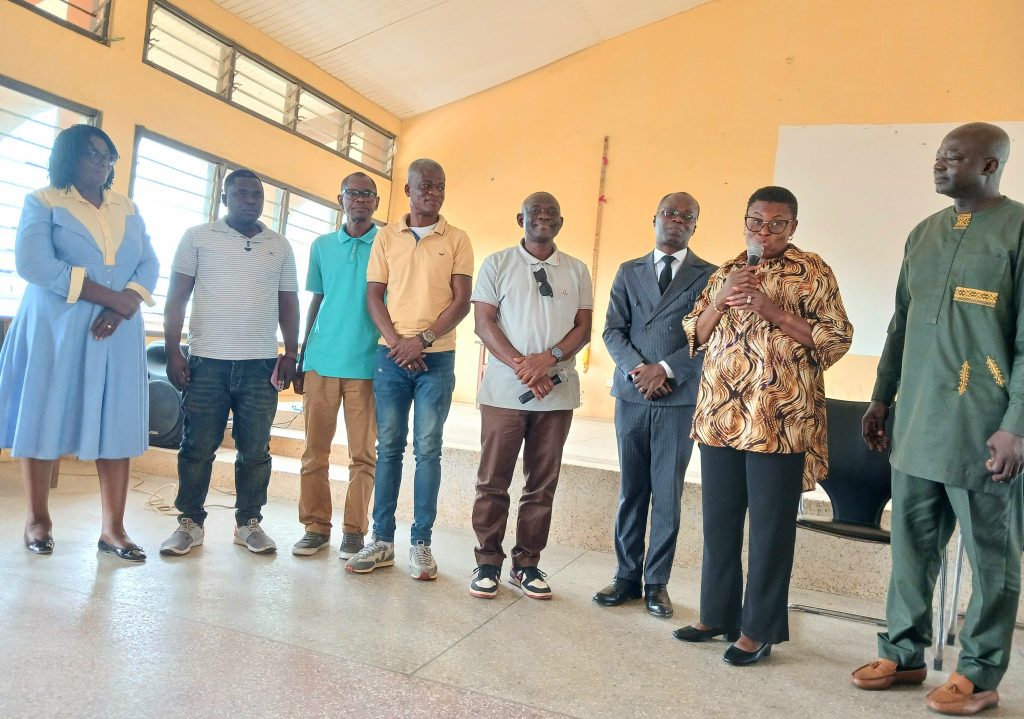
Speaking at a stakeholder engagement at Sogakope in the South Tongu District, an official of the VRA’s Technical Services Department, Mr. Andrea Andor, appealed to stakeholders to support the initiative to ensure its success.
He explained that although the Volta Lake remains one of Ghana’s major freshwater bodies that has largely been protected from the devastating effects of illegal mining, the Lower Volta Basin continues to face challenges from heavy siltation and the rapid spread of water hyacinth. According to him, these challenges have intensified over the years following the construction of the Akosombo Dam, which altered the river’s natural course.
More Read

Mr. Andor said the dredging exercise forms part of government’s broader efforts, through the VRA, to improve the carrying capacity of the river and minimise the impact of future spillages from the Akosombo and Kpong dams.
He noted that the project is intended to prevent a recurrence of the devastating floods experienced during the 2023 spillage of the two dams, which displaced thousands of residents and destroyed homes, farmlands and other properties along the Lower Volta Basin.
Mr. Andor disclosed that Max Estates Limited, an Accra-based company, had been awarded the contract to undertake the dredging works in the South Tongu District.
He said the contractor had been given clear operational guidelines, including the dredging of accumulated sand and the removal of invasive water hyacinth, expressing confidence that the intervention would significantly improve the livelihoods of communities along the river.
Addressing concerns raised by stakeholders, Mr. Andor explained that the VRA had no plans to utilise the harvested water hyacinth, adding that interested communities could process the weeds into organic fertilizer where feasible.
He further explained that sand dredged from the river would be sold by the contractor to offset operational expenses such as fuel and equipment costs, and urged residents not to interfere with that arrangement.
Mr. Andor also assured fish farmers and other users of the river that the project had been carefully planned to minimise disruptions to their activities.
He appealed to residents to cooperate fully with the contractors and support the successful execution of the project.
The VRA’s Manager for Community and Sustainable Relations, Mrs. Rhoda Arthur, described the project as one that would deliver enormous social and economic benefits to communities along the Lower Volta.
She also reminded stakeholders that the VRA’s tertiary scholarship programme remains active, but expressed concern that many eligible students from the area were not taking advantage of the opportunity.
Mrs. Arthur called on parents, teachers and education stakeholders to encourage more senior high school graduates to apply for the scholarship scheme to improve access to higher education.
The South Tongu District Chief Executive (DCE), Hon. Victoria Dzeklo, welcomed the initiative and commended both the government and the VRA for responding to the long-standing concerns of residents.
She appealed to the contractor to prioritise the employment of local people during the implementation of the project to enable them to earn sustainable incomes and support their families.
Hon. Dzeklo pledged the Assembly’s full support for the project and expressed the hope and confidence that the contractors would deliver quality work to meet the aspirations of the people.
The Paramount Chief of the Vume Traditional Area, Togbe Yaw Akonnor II commended government and the VRA for the gesture, describing it as a dream come true.
He charged the locals who would have the opportunity to work with the contractors to exhibit good moral behaviour and a high sense of discipline and honesty in order to project the good image of the district.
The contractors were later introduced to the gathering and the Assembly by the officials of the VRA. They would mobilize and return to the Assembly, with their documentations in the coming days, in order to finalize arrangements to kick-start the project.
The stakeholders, made up of the traditional authorities, Assembly Members, fisherfolks,
fishmongers and processors, sandwinners as well as representatives of security agencies among others, had the opportunity to ask questions in an open forum for further clarifications on the initiative.