Ghana Water Limited (GWL) has revealed that replacing the country’s ageing water transmission infrastructure would cost over GHC3.5 billion (US$356 million)—an amount far beyond the utility’s current financial capacity.
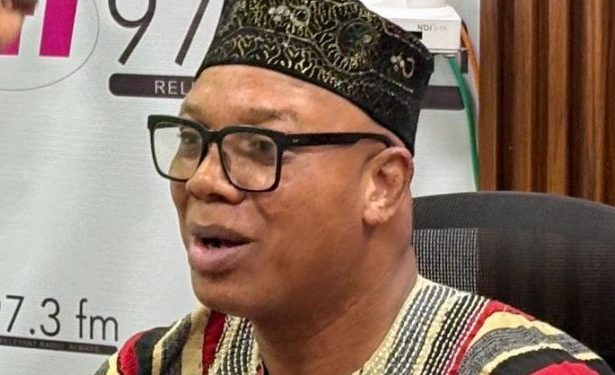
Speaking on the Joy TV Managing Director Adam Mutawakilu explained that most of the nation’s major transmission lines are old, weak, and operating below capacity, creating serious challenges for effective water distribution.
“Most of this transmission capacity utilisation is low. Most of the transmission lines are weak and need to be replaced, and that is a huge cost,” he said. “We are talking about 356 million dollars to replace the old pipes and put in new pipes — that’s more than 3.5 billion Ghana cedis.”
Mr Mutawakilu highlighted that GWL’s annual revenue is insufficient to fund such an overhaul. “For example, we make almost 1.8 billion cedis — that’s about 100 to 150 million dollars for the whole year. This is the whole amount, not taking salaries or maintenance into account. So, if you take it, you realise that we are not in good shape,” he said.
The disclosure comes amid recurring water shortages in Accra and parts of the Greater Accra Region, which have intensified public concern and political debate over infrastructure planning and investment.
“The problem is not just the number of plants; it’s the transmission lines connecting them,” Mr Mutawakilu said. “Without replacing these old pipelines, a lot of water is lost, and supply remains inconsistent, especially in urban areas.”
He urged policymakers to prioritise capital investment in both water production and distribution infrastructure, warning that delays could worsen service disruptions and public dissatisfaction.
“Water is essential for life and development,” he said. “We must match infrastructure investment with our population growth, or these challenges will continue to escalate.”
The GWL Managing Director’s comments underscore the urgent need for long-term planning and investment to ensure that Ghana’s rapidly growing population can access a reliable and safe water supply.