Government has begun a major redesign of the Ghana.gov.gh platform as part of efforts to simplify access to public services and reduce the bureaucratic burden on citizens.
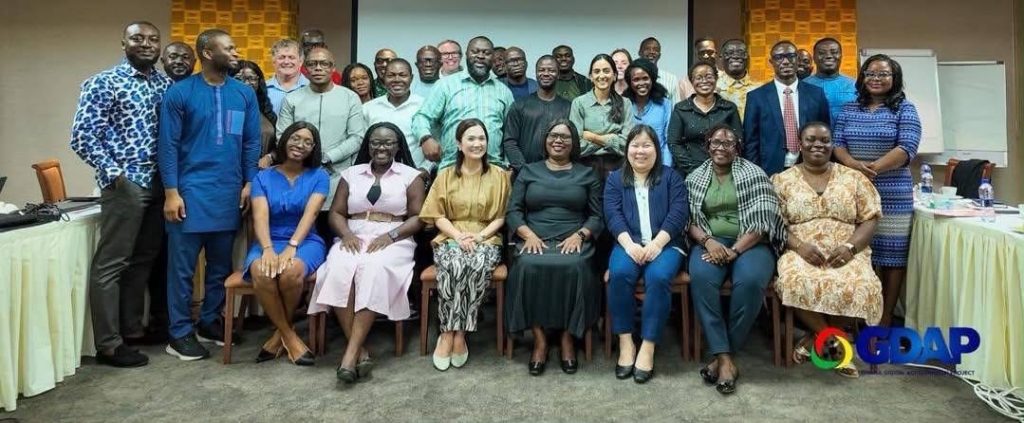
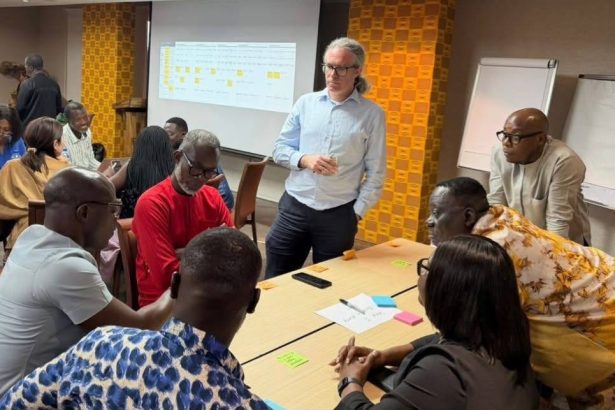
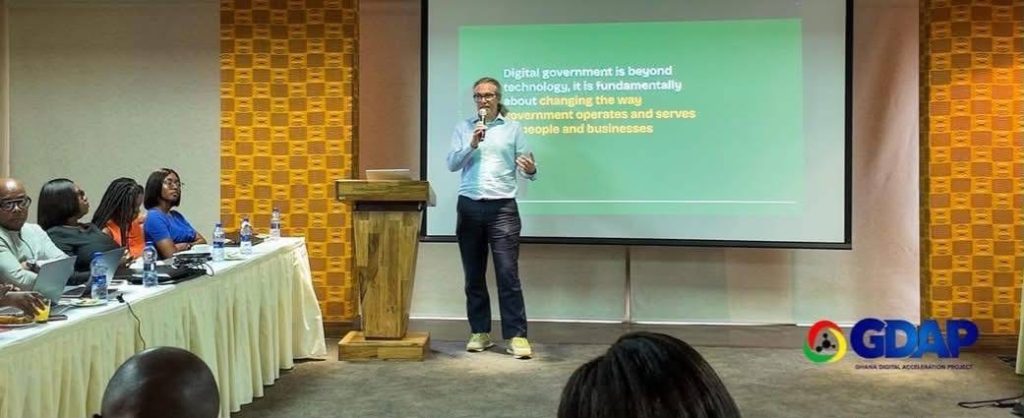
The reform process was formally set in motion at Peduase Valley Resort in the Eastern Region on May 19, 2026, where officials from Ministries, Departments and Agencies (MDAs) joined digital experts and development partners for a three-day workshop focused on rethinking how government services are delivered online.

The exercise brings together the National Information Technology Agency (NITA), the Ghana Digital Acceleration Project (GDAP) coordination team, the World Bank, the Tony Blair Institute for Global Change and the consultancy Public Digital.
At the centre of discussions is a shift away from fragmented service delivery towards a unified digital system where citizens can access multiple government services through a single, simplified platform.
The redesign is focused on user experience rather than institutional structures, with the aim of ensuring citizens no longer have to navigate multiple agencies and procedures to complete basic administrative tasks.
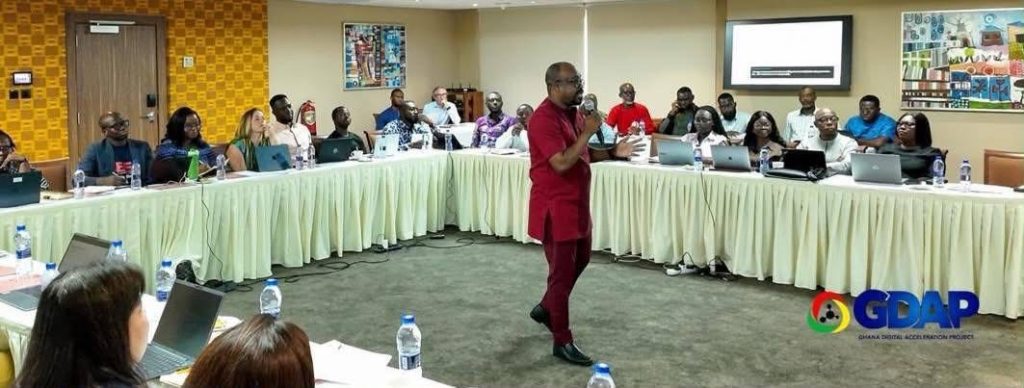
Opening discussions were led by World Bank Senior Digital Specialist for Western and Central Africa, Steve Davenport, who emphasised the need to design government systems around the lived experiences of citizens.
Participants examined common challenges in public service delivery, including long processing times, complex procedures and disconnected institutional systems that often require citizens to move between multiple offices to complete a single transaction.
Technical sessions were delivered by key digital governance and infrastructure experts, including the GDAP PCU coordinator Edwin Amoako, NITA infrastructure specialist Solomon Richardson, and representatives from Public Digital and the Tony Blair Institute.
Case studies from countries such as the United Kingdom and Rwanda were presented, with platforms like GOV.UK and Rwanda’s Irembo highlighted as examples of integrated, user-focused digital service delivery models.
By the end of the first day, discussions had shifted from technical diagnostics to collaborative redesign, with participants agreeing on the need for stronger coordination among government institutions to build a more connected digital ecosystem.
The workshop is expected to move into hands-on redesign sessions aimed at reworking priority citizen services over the coming days as part of broader efforts to modernise Ghana’s digital public infrastructure.