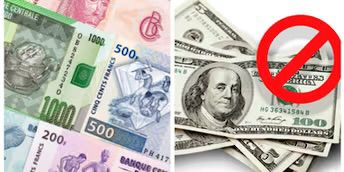
The Democratic Republic of Congo is preparing to ban all cash transactions in foreign currencies, including the US dollar, from April 2027, in a major policy shift aimed at strengthening the local economy and reducing dollar dominance.
The Central Bank of the Congo has announced that individuals and businesses will no longer be allowed to make or receive payments in cash foreign currency once the policy takes effect. Commercial banks will also be prohibited from importing physical foreign banknotes.
Under the new arrangement, foreign currency transactions will only be permitted through electronic banking systems, which authorities say will improve oversight and transparency in financial flows.
Governor Andre Wameso said, “From April 9, 2027, no person will be authorised to carry out cash transactions in foreign currencies.” The policy is designed to address the long-standing dominance of the US dollar in the Congolese economy, which has persisted since years of economic instability and hyperinflation weakened confidence in the local currency.
At present, most high-value transactions in the country are conducted in dollars, reflecting limited trust in the Congolese franc. Authorities also say the measure is part of broader reforms aimed at improving financial transparency and helping the country exit the Financial Action Task Force (FATF) grey list.
More Read

Officials believe shifting foreign currency use into regulated digital channels will make transactions easier to monitor and reduce risks linked to cash-based dealings. However, analysts have warned that enforcement may be difficult due to the country’s large informal economy and heavy reliance on cash transactions.
The Congolese economy has recently shown signs of stabilisation, with inflation easing and growth supported largely by the mining sector, including key exports such as cobalt.
Despite these improvements, pressure on the local currency remains, with gaps between official and parallel exchange rates still posing challenges for policymakers.