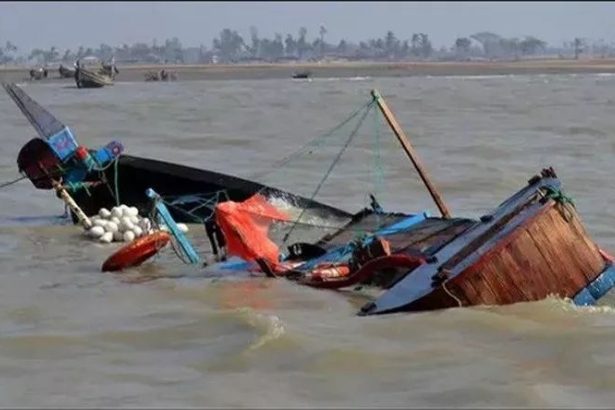
Boat accidents have become a grim and recurring feature of Ghana’s waterways, turning what should be a routine means of transport into a dangerous gamble with life. Nearly every incident ends in multiple fatalities, exposing a deepening crisis that has persisted for far too long.
The latest tragedy has once again highlighted the urgency of the situation. On Wednesday, April 8, 2026, a passenger boat capsized on the Volta Lake in the East Gonja District, claiming nine lives. The incident occurred around 5:30 p.m. between Sikakope and Mataiko along the Yeji–Congo route. The boat, carrying 14 passengers, reportedly overturned due to adverse weather conditions.
Statistics reveal a troubling pattern. Between March 2023 and October 2025, more than 60 lives were lost in similar incidents nationwide, with many others still unaccounted for. These numbers underscore a systemic failure to address the root causes of such disasters.
Several factors continue to drive these tragedies, including the overloading of vessels, poor maintenance, the use of fragile wooden boats, and unauthorized night travel. Compounding the problem is widespread ignorance about basic safety practices. In many communities, water transport remains largely informal, operated and used by individuals with little or no knowledge of safety standards.
The consequences are devastating. Most victims die from drowning, and over 90 percent were not wearing life jackets at the time of the accidents. In addition, rescue infrastructure and emergency response systems are often inadequate or entirely absent, further reducing chances of survival.
More Read
What is needed now is a decisive shift from reactive responses, rescue missions, condolences, and official statements to proactive prevention. These deaths are avoidable, and preventing them must become a national priority.
Sustained community-level education is critical. Traditional authorities and religious leaders must be engaged to promote awareness of safe boating practices and the importance of life-saving measures such as wearing life jackets.
The recent Volta Lake disaster, which wiped out nine members of a single family, is a painful reminder of the cost of inaction. It also reinforces the need for practical, long-term solutions to ensure that Ghana’s waterways no longer serve as corridors of tragedy.