Ghana’s external reserves have climbed to about $14.5 billion, offering roughly 5.8 months of import cover, the Bank of Ghana has disclosed.
The latest figure marks an increase from just over $13 billion recorded during the previous Monetary Policy Committee (MPC) meeting in January 2026, signalling a strengthening of the country’s external position.
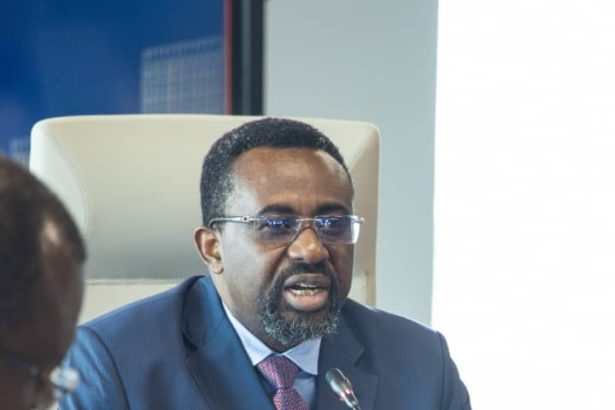
Governor Johnson Pandit Asiama, addressing the opening of the 129th MPC meeting in Accra on Monday, said the improved reserves position reflects broader gains in macroeconomic stability.
He noted that headline inflation eased to 3.3 percent in February, extending its downward trend for the 14th consecutive month and dropping below the central bank’s medium-term target band.
Fiscal indicators also showed improvement, with a primary surplus of 2.6 percent of GDP recorded at the end of 2025. The real sector, he added, is gradually recovering, supported by improved business and consumer confidence, alongside a modest pickup in credit growth.
“Taken together, these indicators point to an economy stabilising more quickly than many had expected, emphasizing that disciplined policy measures have contributed to this progress,” he said.
The Governor stressed that the reserve build-up is critical to sustaining investor confidence and strengthening Ghana’s ability to withstand external shocks.
He further disclosed that government has launched the Ghana Accelerated National Reserve Accumulation Programme (GANRAP), aimed at significantly boosting reserves over the medium term.
“Since our last meeting, the government has announced the Ghana Accelerated National Reserve Accumulation Programme (GANRAP), an ambitious initiative aimed at substantially increasing the country’s reserve position over the medium term.
“The programme targets raising international reserves to the equivalent of 50 months of import cover by 2028, compared with the current level of around 5.8 months,” he added.
Dr Asiama, however, cautioned that the programme would require careful coordination to manage its implications for liquidity, monetary policy operations and the central bank’s balance sheet.
He also flagged growing external risks, particularly geopolitical tensions in the Middle East, which he said are disrupting global energy supply chains and increasing volatility in oil prices.
While rising gold prices may provide some support to Ghana’s trade balance, he warned that the broader risk environment remains tilted towards inflation.
“The question before the committee is not whether conditions have improved, but how we respond to that improvement when the factors that enabled it are now under pressure,” he said.
The 129th MPC meeting is expected to assess these risks and provide guidance on the central bank’s next policy steps amid Ghana’s ongoing economic recovery.