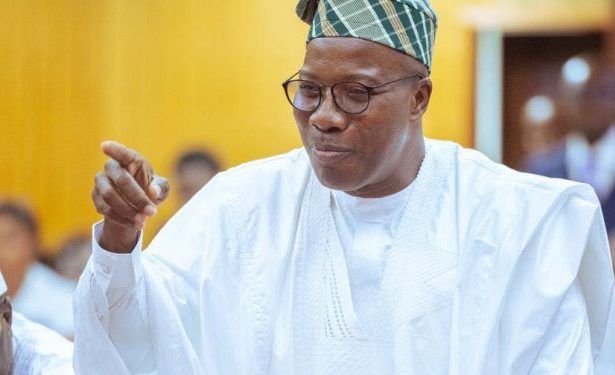
Majority Leader Mahama Ayariga has pushed back against suggestions that Parliament should reopen discussions on the Human Sexual Rights and Family Values Bill known as the anti-LGBTQ bill, arguing that the legislation was lawfully passed and remains a valid decision of the House.
His comments come amid renewed debate over the controversial bill after Speaker Alban Bagbin raised concerns about the circumstances surrounding its approval and called for a review of the process.
Speaking on Eyewitness News, Ayariga maintained that Parliament acted within its established procedures and that there were no procedural irregularities that could invalidate the passage of the bill.
According to him, the Speaker’s comments should be viewed as an appeal rather than a directive capable of overturning a decision already taken by lawmakers.
“The Speaker is only appealing. He cannot in any way reverse what has happened. What has happened has happened,” Ayariga said.
The Majority Leader explained that concerns regarding the time required between the various stages of the bill’s consideration had been addressed through a parliamentary motion to shorten the waiting period.
He said the motion was approved by the First Deputy Speaker, allowing Parliament to proceed with the remaining stages of the legislation without breaching any rules.
Ayariga further dismissed arguments that the bill could have been withdrawn because one of its sponsors was absent during the final stages of consideration.
He noted that the legislation was backed by multiple sponsors and therefore did not depend on the actions or presence of a single lawmaker.
According to him, the absence of any individual sponsor had no bearing on Parliament’s authority to continue debating and approving the bill.
The latest exchange follows concerns raised by some legislators over whether all procedural requirements were satisfied before the House completed work on the legislation on May 29.
The Human Sexual Rights and Family Values Bill seeks to prohibit LGBTQ-related activities in Ghana and has continued to attract strong reactions from both supporters and critics since its passage by Parliament.