South Korea is seeking alternative sources of crude oil from Algeria and Libya as ongoing tensions between Iran and the United States continue to disrupt global fuel markets.
The conflict has led to instability in oil supply chains, particularly around the Strait of Hormuz, a key route for global crude shipments, forcing heavily import-dependent countries to explore new supply options.
Officials in Seoul have initiated discussions with authorities in Algeria and Libya as part of efforts to secure stable crude oil and naphtha supplies.
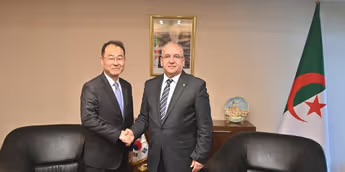
Deputy Foreign Minister for Economic Affairs, Park Jong-han, recently held meetings with government officials and energy stakeholders in both countries to explore potential partnerships.
In Libya, talks with the National Oil Corporation focused on the possible supply of Libyan heavy crude to South Korea, including arrangements that could see a portion of the country’s oil output allocated directly to Seoul.
According to South Korea’s foreign ministry, Libyan authorities have expressed willingness to supply crude oil, subject to conditions such as meeting product specifications, delivery timelines and buyer credibility.
The move forms part of South Korea’s broader strategy to diversify its energy sources and reduce reliance on the Middle East, where geopolitical tensions continue to threaten supply stability.
Despite being fully dependent on imported crude, South Korea has developed a strong refining sector and remains a major exporter of refined petroleum products across the Asia-Pacific region.
South Korea says securing reliable crude supply remains critical not only for domestic energy security but also for sustaining the country’s role in regional petroleum markets.