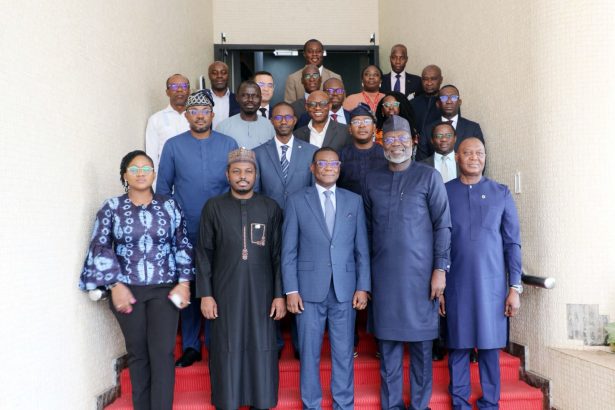
The Economic Community of West African States (ECOWAS) Commission and the African Development Bank (AfDB) have convened a high-level consultation meeting aimed at extending the Regional Integration Strategy Paper (RISP) for West Africa, covering the period 2020–2027.
The three-day gathering, which runs from 4 to 6 February 2026 at the ECOWAS Commission Headquarters in Abuja, brings together senior officials from both institutions to chart the strategic direction of the RISP for the region.
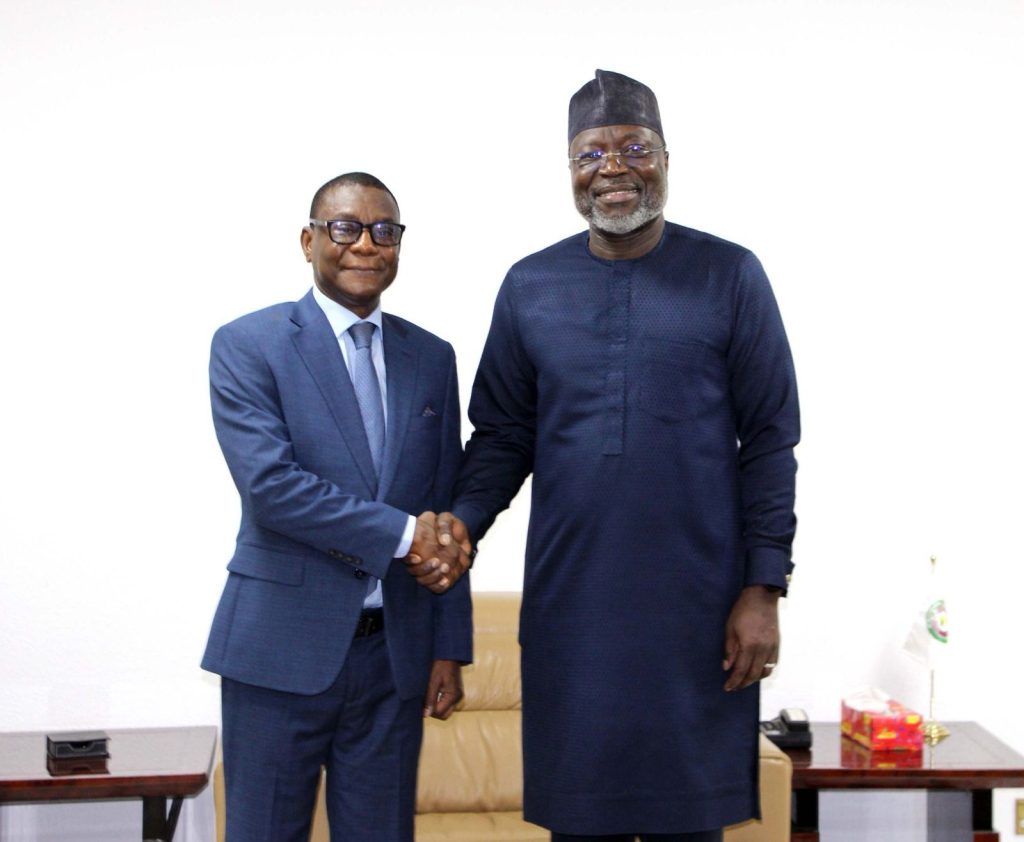
In his opening remarks, Mr Lamin Barrow, AfDB’s Director General for West Africa, stressed the importance of prolonging the strategy, which reached the end of its term in December 2025. He noted that extending the RISP is vital for sustaining ongoing initiatives and supporting new operations under the AfDB-ECOWAS partnership.
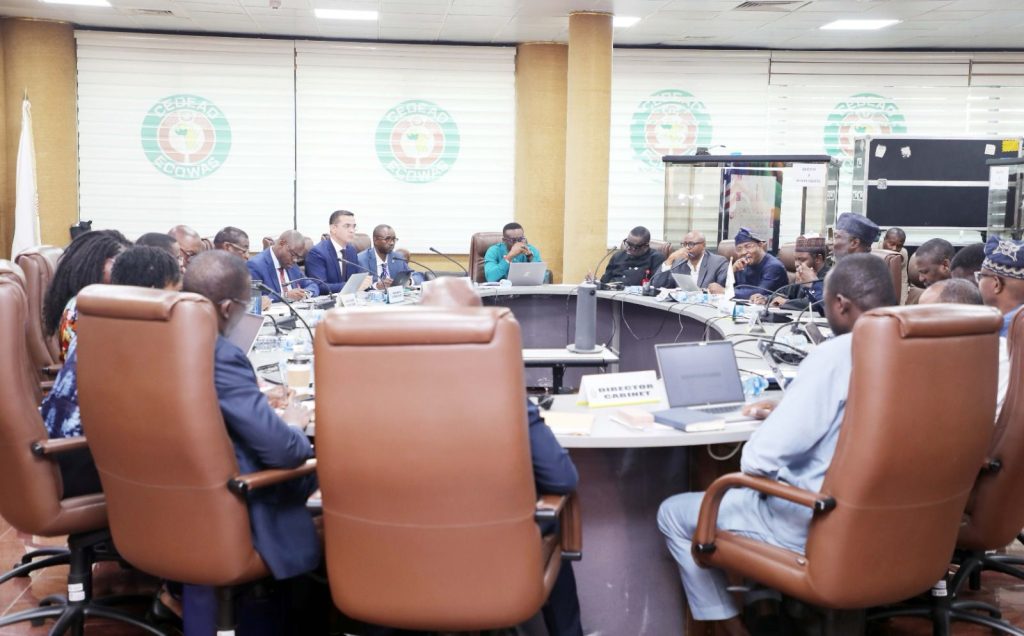
Welcoming the participants, H.E. Dr Omar Alieu Touray, President of the ECOWAS Commission, lauded the AfDB for its extensive support to the regional body.
“The African Development Bank has been instrumental in driving development across multiple sectors in West Africa, including agriculture, infrastructure, trade, customs, capacity development, health, education, industry, and energy,” he said.
The RISP serves as a key programming instrument, guiding cooperation between ECOWAS and the AfDB to foster economic integration, strengthen regional infrastructure, and enhance social development across member states.
The extension of the strategy is expected to provide a framework aligned with new regional priorities, including trade facilitation, industrialisation, and energy security.
Over the three days, consultations will focus on evaluating the current strategy, identifying emerging challenges, and defining actionable steps to ensure that the next phase of the RISP continues to drive sustainable development and regional cohesion.
As West Africa navigates a rapidly evolving economic landscape, the meeting underscores a renewed commitment by ECOWAS and the AfDB to promote inclusive growth, enhance regional connectivity, and bolster resilience across member states.