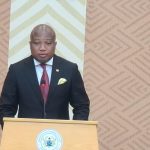
The government has abolished the COVID-19 Health Recovery Levy as part of sweeping tax reforms aimed at easing the burden on Ghanaians and stimulating business growth.
Finance Minister Cassiel Ato Forson made the announcement while presenting the 2026 Budget Statement and Economic Policy to Parliament on Thursday, 13 November 2026.
He described the move as one of the most significant measures in the new fiscal plan, saying it will return GHC3.7 billion to individuals and businesses in 2026 alone.
“Mr Speaker, by abolishing the COVID-19 levy, Government is putting GHC3.7 billion in the pockets of individuals and businesses in 2026,” Dr Forson said.
The abolition of the levy forms part of a broader package of Value Added Tax (VAT) reforms expected to provide GHC5.7 billion in relief to the private sector and consumers. The comprehensive measures aim to simplify Ghana’s tax structure, reduce the cost of doing business, and boost private sector competitiveness.
More Read
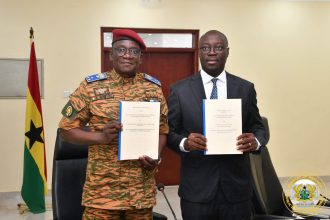
Dr Forson explained that the government will now allow businesses to claim input tax deductions on the GETFund and NHIL levies — a policy expected to cut operating costs by about five percent. The effective VAT rate will also drop from 21.9% to 20%, while the VAT registration threshold increases from GHC200,000 to GHC750,000 to ease pressure on small and medium-sized enterprises.
He added that VAT on reconnaissance and prospecting of minerals will be abolished to encourage upstream investment, while the VAT zero-rating on locally manufactured textiles will be extended to 2028 to strengthen the domestic industry.
The Finance Minister said the package reflects the government’s commitment to strengthening economic resilience and supporting growth after years of fiscal consolidation.
“Mr Speaker, these reforms are designed to make our tax system fairer and more growth-oriented,” Dr Forson stated.