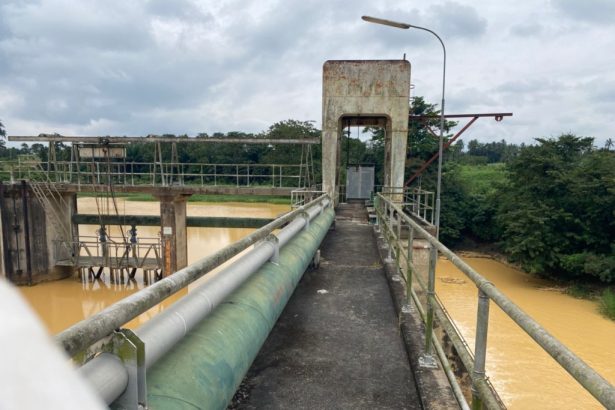
The Kwanyako Headworks of Ghana Water Limited (GWL) has been completely shut down, cutting treated water to thousands of residents after intake pumps broke down from heavy silt caused by illegal mining upstream.
Before the closure, the treatment plant produced over 25,000 cubic metres of water per day for communities across the Central Region. But persistent silt deposits have clogged the river and disabled the critical intake pumps, halting production entirely.
Divers contracted to assess the submerged pumps have recommended desilting and full river dredging to restore operations. Yet engineers at the site warn that even a large-scale dredging exercise will fail if galamsey activities continue, dumping fresh sediment into the riverbed.
“The pumps are completely choked with silt. Even if we dredge today, the same problem will recur unless the illegal mining stops,” a senior GWL official said.

With the headworks offline, households across the Kwanyako enclave are now relying on unsafe water sources, raising concerns of waterborne disease outbreaks.
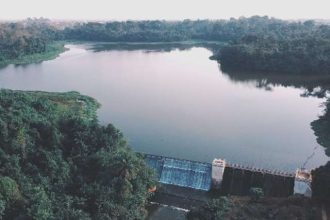
The shutdown adds to a growing list of water crises linked to illegal mining (galamsey) which has polluted major rivers including the Pra, Offin, Ankobra and Birim. Ghana Water Limited has repeatedly warned that galamsey is driving up treatment costs and threatening urban water supply nationwide.
Earlier this year, the Ghana Coalition Against Galamsey, a civil society alliance campaigning for stricter enforcement, slammed the government for what it called weak action against politically connected miners. In a widely reported statement, the coalition accused authorities of “turning a blind eye while galamsey operators destroy the very rivers that supply drinking water to millions.”
Environmental experts say the silt and chemicals from illegal mining not only damage treatment plants but also introduce heavy metals such as mercury into water sources, creating long-term health hazards.
Ghana Water Limited says it is coordinating with local authorities on emergency interventions at Kwanyako, but no date has been set for resuming water production until the river is cleared and illegal mining upstream is brought under control.
Ghana Water Limited says it is coordinating with local authorities on emergency interventions, but no date has been set for resuming water production until the river is cleared and the illegal mining threat is addressed.