Ghana is set to construct two modern forensic laboratories as part of efforts to overhaul its crime investigation and disaster response systems, National Security Advisor Prosper Bani has revealed.
The initiative follows the tragic helicopter crash in Obuasi that claimed eight lives, including those of Environment Minister Murtala Mohammed and Defence Minister Dr Edward Omane Boamah. The disaster laid bare Ghana’s limited forensic capacity, particularly in identifying victims and processing evidence swiftly.
At present, the country relies on a single forensic science laboratory in Accra. Bani described this as wholly inadequate for a nation grappling with increasingly sophisticated crimes and emergencies.

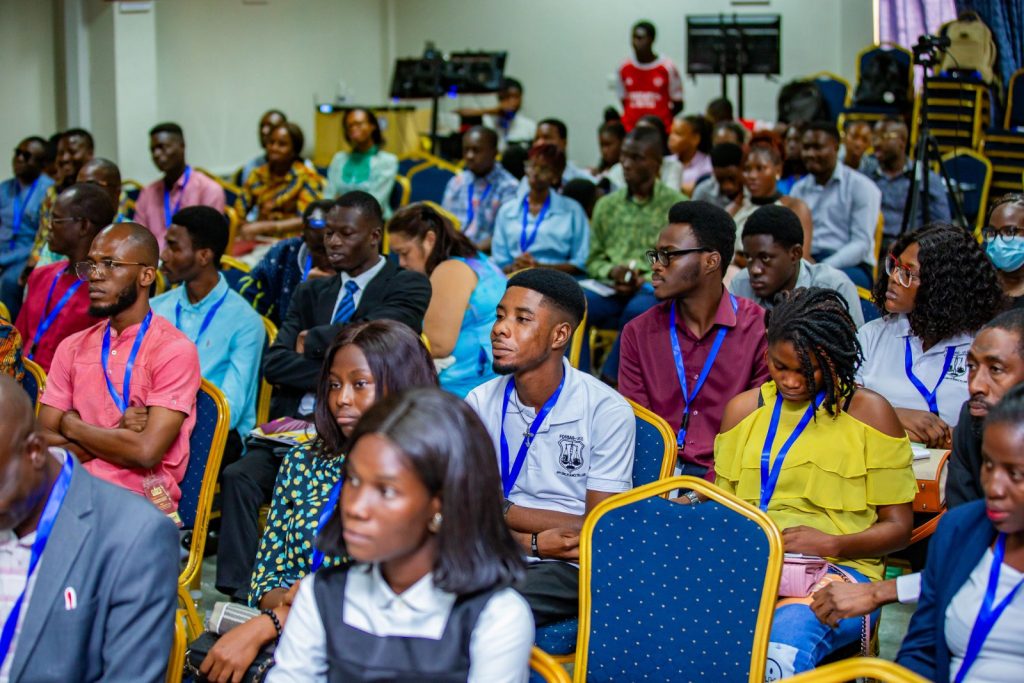
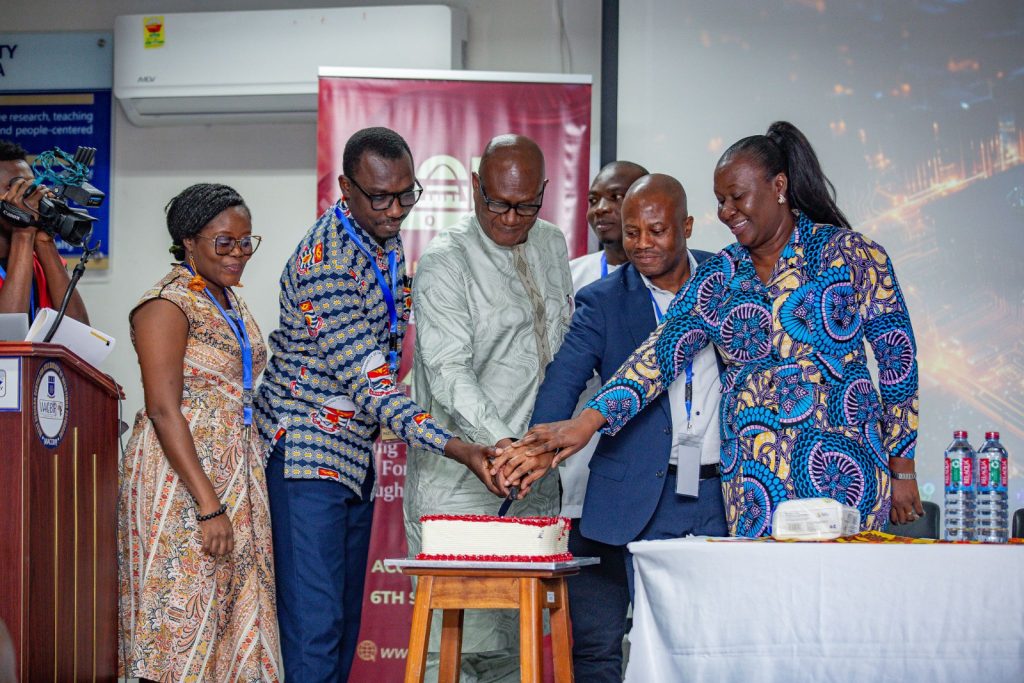
Speaking at the maiden congress of the Ghana Academy of Forensic Sciences (GAFS) in Accra, under the theme “Modernizing Crime Investigation in Ghana: Bridging Traditional Methods with Forensic Investigations through Capacity Building,” Bani outlined the government’s vision.
“These laboratories will provide advanced capabilities in DNA analysis, digital forensics, toxicology, ballistics, and trace evidence,” he said. “They will significantly strengthen the operational capacity of our security agencies and ensure that justice is not delayed and that it is founded upon fairness.”
Bani reflected on the Obuasi helicopter disaster, describing the long and painstaking process of victim identification as a wake-up call.
“We realised that we do not yet have the full capacity to undertake these processes swiftly and transparently without collaborating with our external partners,” he admitted. “This tragedy has reinforced the necessity of investing in our own forensic infrastructure.”
But the National Security Advisor stressed that building laboratories was not enough. Human expertise, he said, was crucial to the success of any forensic system.
“Forensic laboratories, data systems, and investigative equipment cannot in themselves deliver justice. They must be operated by men and women of knowledge, skill, and integrity,” Bani noted. “Capacity building stands at the core of this transformation.”
He called for closer ties with universities and international institutions to boost training, research, and innovation in forensic science.
According to him, President John Mahama is fully backing the forensic science overhaul and has committed government’s policy support and resources to the project.
“Our mission is clear: to build a forensic science system that is robust, credible, and trusted by our people — a system that will free the innocent, detain the guilty, and uphold the dignity of justice,” he concluded.