Owning or driving a car in Accra is no longer a luxury, it has become a necessity. For many people who begin earning income, whether in the formal or informal sector, the desire to own a car is almost inevitable. This is largely due to the daily struggle of commuting in the capital.
Travelling to and from work, has become a burden in itself. Many commuters arrive at work already exhausted and return home completely drained, having endured long queues at lorry terminals, long hours in traffic, as well as poor road conditions.
Unfortunately, the situation is likely to worsen. Our roads are increasingly congested, and with the continued depreciation of the cedi against major currencies, especially the dollar, imported vehicles have become more accessible to some, adding even more cars to already crowded streets.
Yet road transport is not the only option available. Ghana has the potential to rely on maritime, aviation, and, most importantly, rail transport. These modes of transport are often safer, more efficient, and more sustainable.
Sadly, as a country, we have failed to develop these alternatives to a level where they can effectively complement road transport.
More Read
Successive governments have made numerous promises to revive and expand the rail sector, but these promises have largely amounted to little more than rhetoric. The condition of the railway system, continues to deteriorate with each passing year.
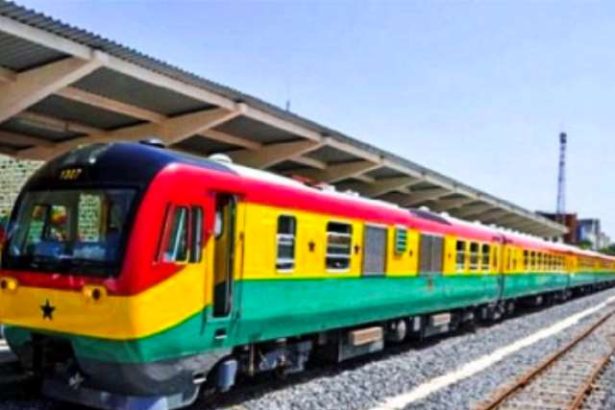
In 2024, the erstwhile Akufo-Addo government inaugurated the Tema–Mpakadan railway line to link the Tema Port to Mpakadan near Akosombo.
However, by mid-2025, the line became non-operational due to challenges such as theft, vandalism, and the absence of a clear operational framework. Plans to extend the Kumasi–Takoradi line to Paga, as well as to build a branch line from Tamale to Yendi, have also failed to materialise.
Ghanaians were once hopeful when the previous administration announced the Sky Train project around 2017–2018. The initiative proposed a 200-kilometre urban rail network across major cities, with an estimated cost of between $2.6 billion and $3.2 billion.
Sadly, it too became a short-lived promise. Some former government officials are now facing trial over allegations of causing financial loss of about $2 million to the state in connection with the project.
More recently, the current administration announced the Big Push initiative, aimed at accelerating infrastructure and economic development. The government initially projected spending GHS21.2 billion by 2028 and has now announced plans to spend over GHS30 billion this year alone. While the initiative focuses on roads, energy, transport, and digital infrastructure, rail transport appears to be missing from the national conversation.
If Ghana is serious about reducing road congestion, minimising accidents, and improving productivity, then developing the railway sector must become a national priority. Rail transport once thrived in Ghana during the 1970s and 1980s. It is therefore difficult to understand why, in an era of advanced technology and innovation, we are still unable to build and sustain a functional rail network.
The time has come for bold, practical action, not more promises.