In an unexpected turn of events, the University Teachers Association of Ghana (UTAG), a body traditionally associated with intellectual rigor and measured advocacy, is calling for the removal of the leadership of the Ghana Tertiary Education Commission (GTEC).
UTAG has issued a 14-day ultimatum to President John Dramani Mahama, demanding a response to a petition submitted on February 17, 2026. The petition seeks the dismissal of GTEC Director-General Ahmed Jinapor Abdulai and his deputy Augustine Ocloo, citing concerns over governance and what the association describes as regulatory overreach.
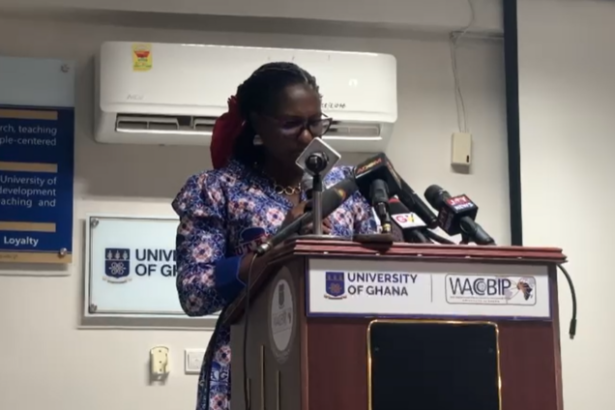
Speaking at a press conference, UTAG National President Vera Ogeh Fiador expressed frustration over the Presidency’s silence. She noted that nearly two months after submission, the petition has not even been acknowledged, raising concerns about whether it reached the President or was deliberately ignored.
However, the timing and substance of UTAG’s demand invite deeper scrutiny. GTEC, as the statutory body responsible for regulating tertiary education in Ghana, has in recent times intensified efforts to verify academic credentials and clamp down on fraudulent qualifications. This renewed vigilance has exposed a troubling trend—individuals parading questionable certificates and institutions operating without proper accreditation.
Such enforcement, while necessary, is rarely popular. It challenges entrenched interests and disrupts long-standing practices. Yet, it is precisely this commitment to safeguarding academic integrity that has defined the recent leadership of GTEC.
More Read

The implications of weakening this regulatory drive are significant. Globally institutions doubted the credibility of academic qualifications from Nigeria, this for a very long time tarnished the country’s reputation. Ghana must avoid the pitfalls experienced elsewhere, where unverifiable credentials have undermined trust in educational systems.
As a newspaper, we acknowledge and support the renewed energy brought to GTEC under Prof. Abdulai’s leadership. Efforts to sanitize the certification regime should be encouraged, not resisted. History has shown that individuals who insist on accountability often face resistance, sometimes at great personal cost. Yaw Dumelovo, a former Auditor-General was chased out of office for fighting corruption.
If UTAG’s members have nothing to conceal, the urgency and intensity of this call become difficult to justify. The demand appears premature, unnecessary, and, at worst, mischievous.