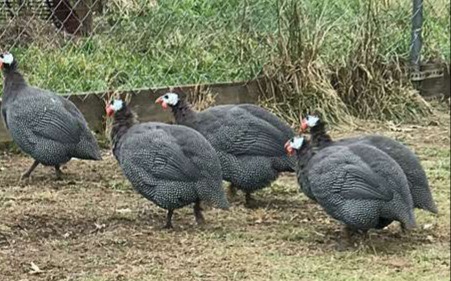
The University for Development Studies (UDS) is pushing for stronger policy support to transform guinea fowl production, describing the sector as a critical yet underdeveloped area of Ghana’s agriculture.
The university says with the right regulatory framework and targeted investments, guinea fowl production could play a significant role in enhancing food security, creating jobs and boosting rural economic development.
Speaking at the university’s 23rd Inaugural Lecture, Ibn Iddriss Abdul Rahman stressed the need for government-backed policies to prioritise research into breeding, nutrition and disease management. He noted that the absence of structured policies has forced farmers to rely on traditional methods, resulting in low productivity and high losses.
A key concern raised was the high mortality rate among keets, which he described as a major challenge affecting local farmers. He called for deliberate interventions, including the development of improved breeds, standardised feeding systems and tailored vaccination programmes.
Prof. Abdul Rahman also highlighted the seasonal breeding nature of guinea fowls, urging policy direction to ensure year-round production.
More Read
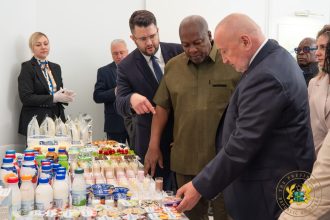
Chairing the lecture, Vice-Chancellor of UDS, Seidu Al-Hassan, called for stronger collaboration between government, academia and the private sector to unlock the industry’s full potential.
He further urged policymakers to recognise indigenous livestock as a strategic asset in building a resilient agricultural sector and improving livelihoods across the country.