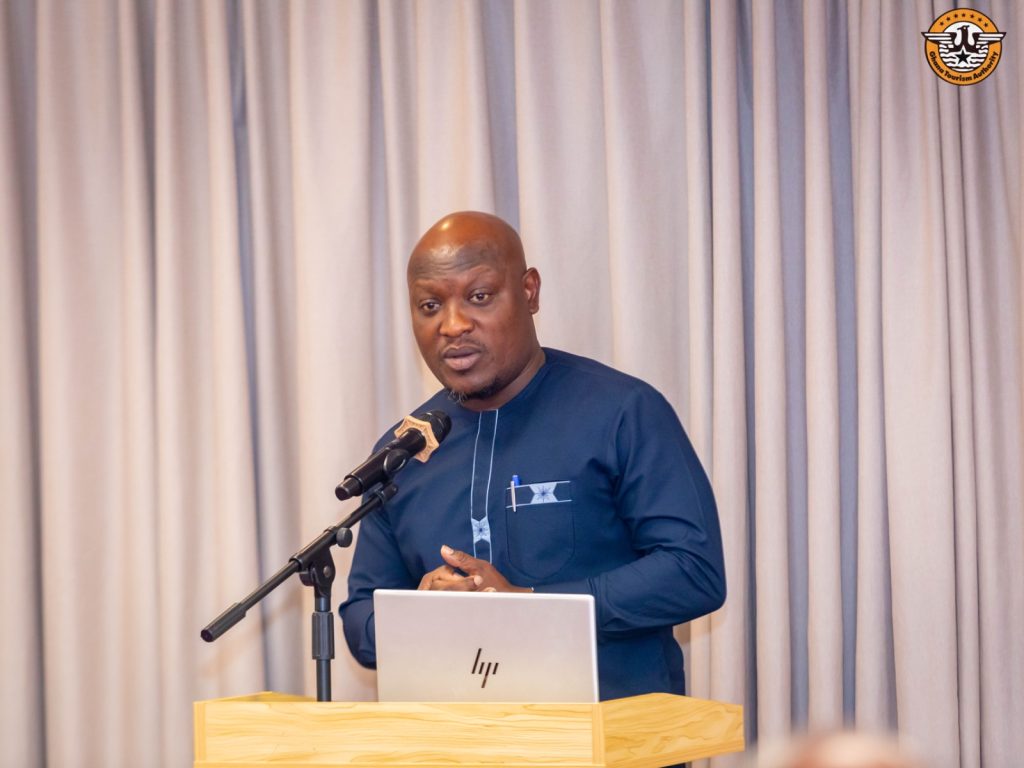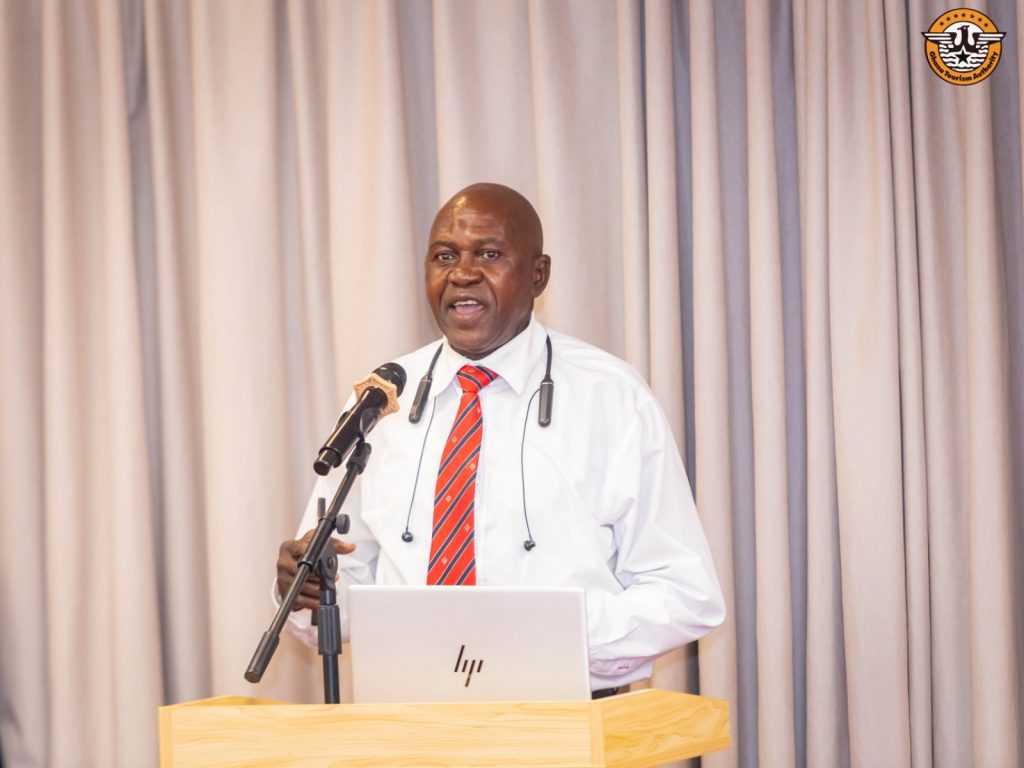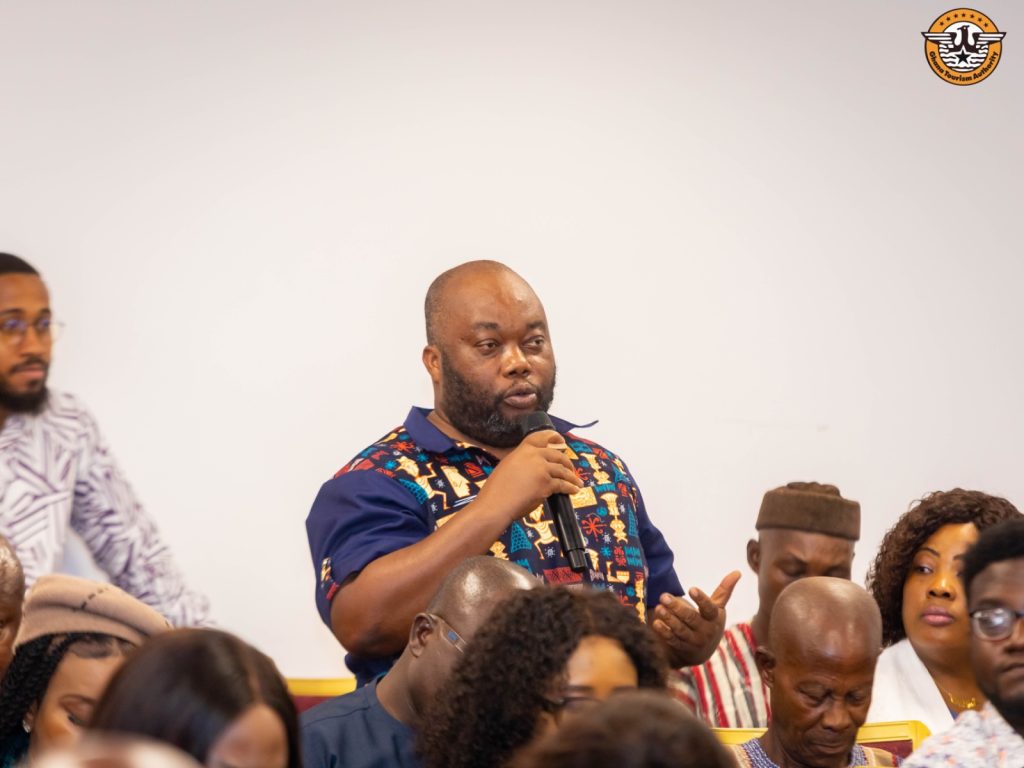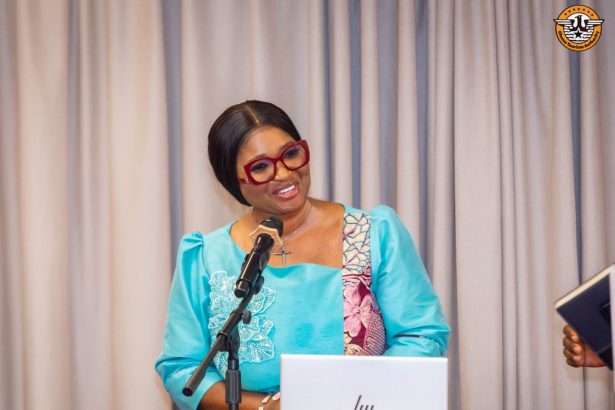
The Ghana Tourism Authority (GTA) has begun its 2026 programme of activities with a high-level stakeholder engagement aimed at aligning industry players behind a shared vision for the sector’s growth.
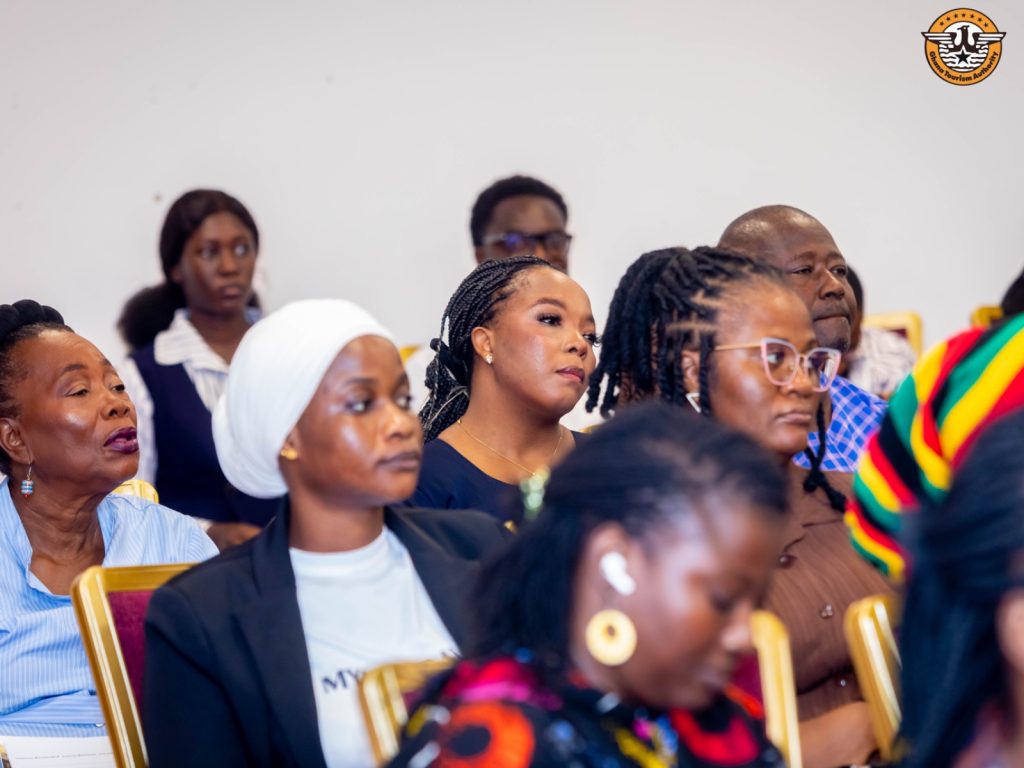
The meeting, the first official engagement of the year, convened a broad spectrum of actors within the tourism ecosystem, including hoteliers, tour operators, event organisers, heritage and cultural practitioners, and service providers whose work supports tourism operations nationwide.
The session was also attended by the three Deputy Chief Executive Officers of the Authority, as well as directors and senior management from the GTA head office.
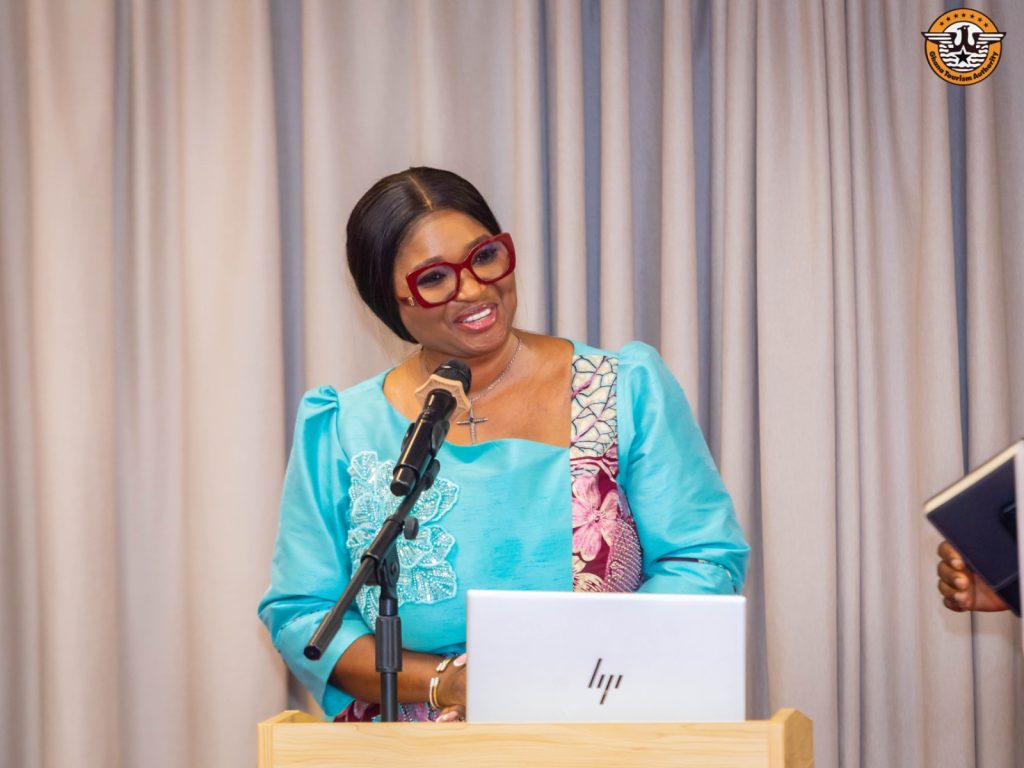
Addressing participants, the Chief Executive Officer of the Ghana Tourism Authority, Maame Efua Houadjeto, emphasised that the Authority is repositioning its stakeholder engagement approach for 2026 to be more intentional, consistent and impact-oriented.
According to her, collaboration remains the backbone of any meaningful progress within the tourism industry.


She explained that the Authority’s vision for the year is to deepen relationships with industry players, improve coordination, and ensure that stakeholders are not merely consulted but actively involved in shaping outcomes.
“Tourism thrives on partnership. We must work together, communicate better, and move in the same direction if we are to build a sector that is professional, competitive and globally respected,” she stated.

A key highlight of her address was the renewed focus on capacity building. The CEO announced that 2026 will see a stronger push for training and skills development across the tourism value chain, as part of efforts to improve service delivery, raise operational standards and enhance the overall visitor experience.
She stressed that continuous learning and professional development are now essential for the survival and credibility of Ghana’s tourism brand.
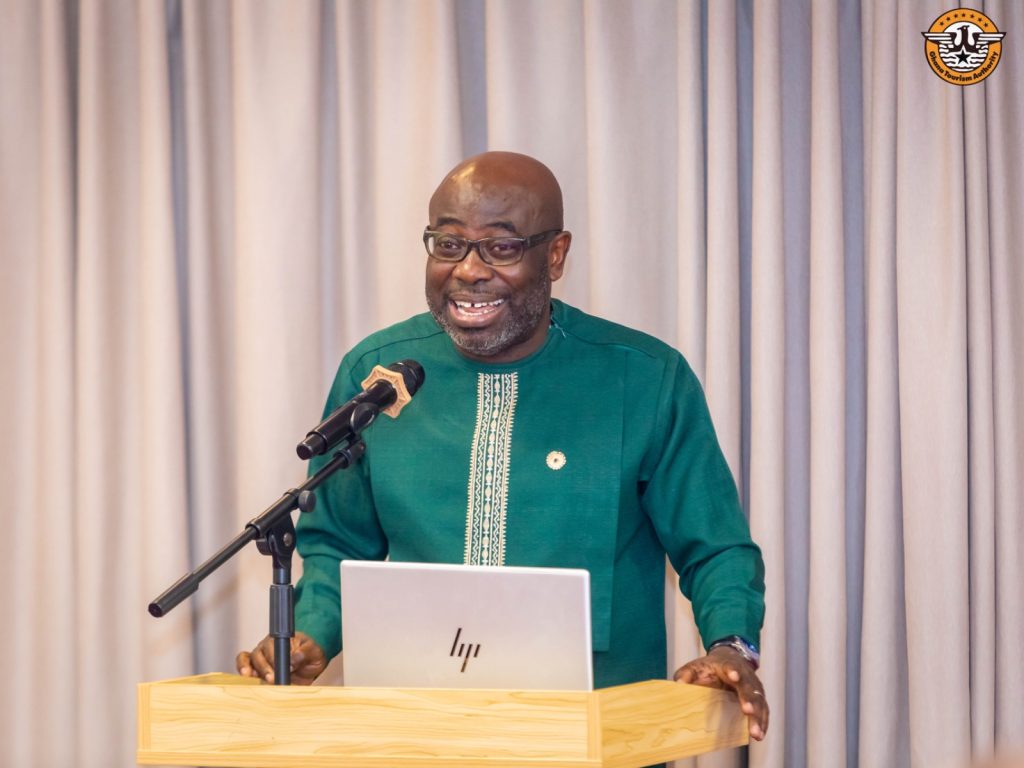
“To safeguard our reputation and remain competitive on the global stage, we must invest in people. Skills upgrading, better customer service and professional conduct can no longer be optional. The Authority will therefore prioritise targeted training programmes to uplift standards across the sector,” she said.
Reflecting on recent milestones, Maame Efua Houadjeto cited the success of December in GH as proof of the impact that coordinated action between public institutions and private stakeholders can achieve.
However, she noted that the focus for the coming year will be on consolidation, ensuring that the gains made are not temporary but are transformed into sustainable growth.
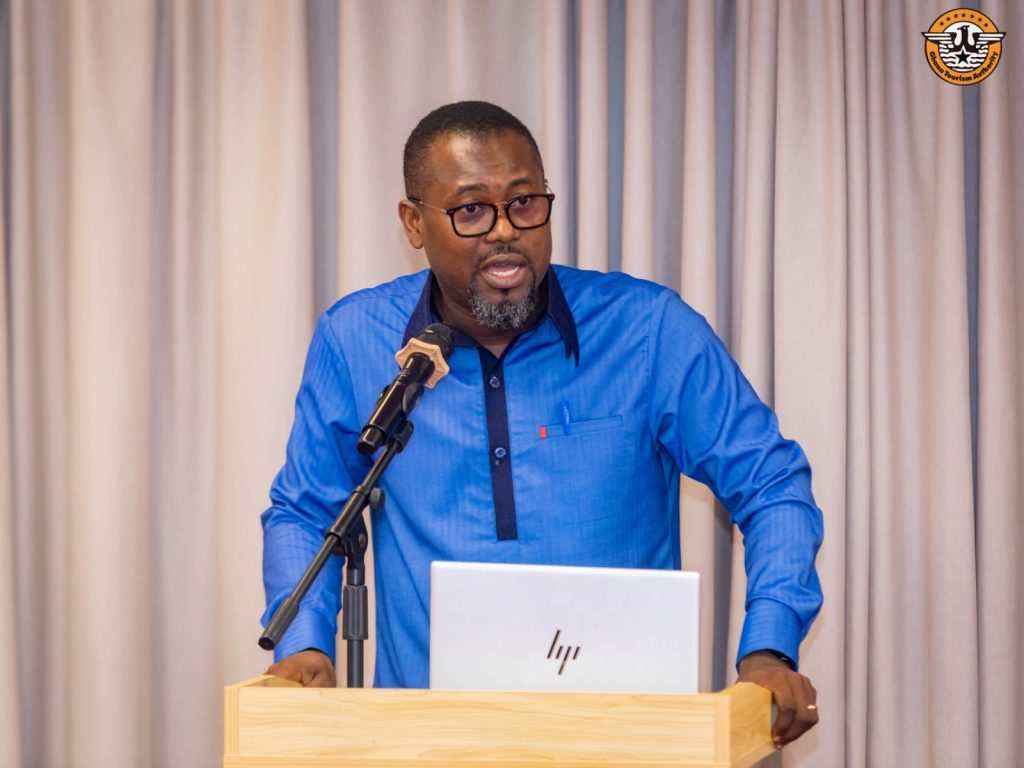
The engagement also outlined strategic priorities for 2026. These include further structuring December in GH into a stronger tourism economy, promoting heritage and cultural tourism, expanding domestic tourism programmes, enforcing standards and regulatory compliance, and fostering innovation through partnerships.
Stakeholders present expressed optimism about the direction outlined by the Authority and pledged their readiness to collaborate more closely in driving growth, creating employment opportunities and strengthening Ghana’s appeal as a tourism destination.
The Ghana Tourism Authority, for its part, reaffirmed its commitment to regular and open engagement with industry players as it works towards building a resilient, inclusive and high-performing tourism sector for the country.