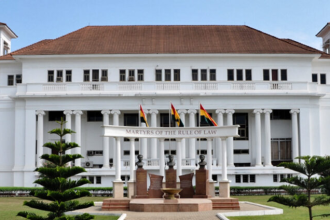
The Supreme Court has struck down Ghana’s decades-old political party delegate system, ruling that all registered party members in good standing must have the right to vote in the election of party leaders and candidates.
In a landmark 5–2 majority decision delivered on Wednesday, July 29, the apex court held that political parties must embrace broader participation in their internal elections through a “one member, one vote” arrangement.
The ruling marks a major shift in Ghana’s political landscape and is expected to transform how the country’s major parties organise presidential, parliamentary and executive primaries.
The decision followed a constitutional challenge filed by former Environment, Science, Technology and Innovation Minister Professor Kwabena Frimpong-Boateng, veteran politician Dr Nyaho Nyaho-Tamakloe and former Lands and Forestry Minister Dr Christine Amoako-Nuamah.
The trio argued that the delegate system used by major political parties deprived ordinary members of their constitutional right to participate in internal party decision-making.
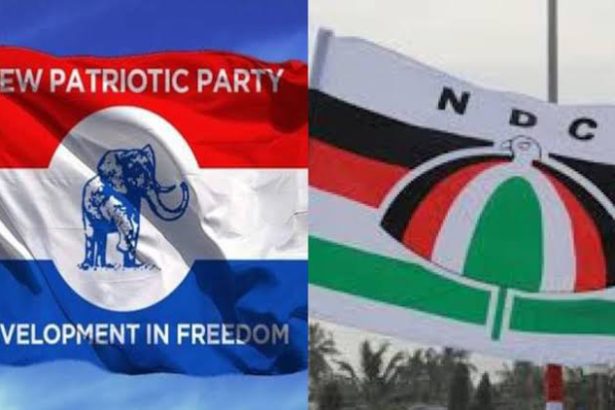
For years, parties such as the New Patriotic Party (NPP), National Democratic Congress (NDC) and Convention People’s Party (CPP) have elected candidates and national executives through delegate congresses, where voting rights are reserved for selected party officials and accredited representatives.
The plaintiffs argued that the arrangement created an unequal system where a minority of party members determined leadership outcomes while millions of ordinary members were excluded.
They maintained that political parties, being institutions recognised under Article 55 of Ghana’s Constitution, are required to operate according to democratic principles.
The Attorney-General’s Department backed the challenge, arguing that political parties perform a public function and must reflect values of equality, inclusion and universal participation.
The Supreme Court’s decision now requires political parties to reconsider their constitutions and internal electoral structures to allow direct participation by all eligible members.
The ruling is expected to have significant consequences for Ghana’s political parties ahead of future primaries, potentially shifting power away from party delegates and towards the wider membership base.
The plaintiffs had also sought orders compelling the Electoral Commission to ensure party constitutions align with constitutional democratic standards and the Political Parties Act.