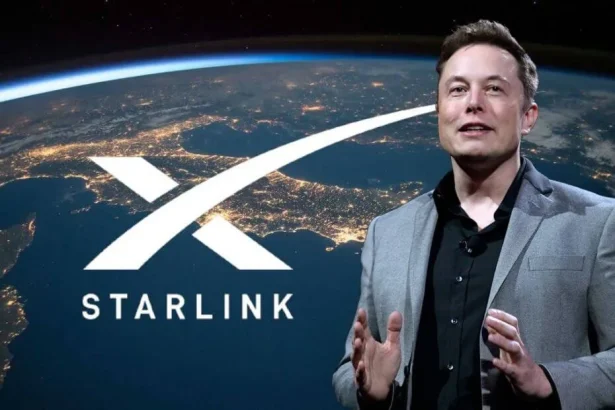
Starlink, the satellite internet venture backed by Elon Musk, is pushing back against its rejection in Namibia, vowing to appeal a decision that underscores growing regulatory resistance to foreign tech giants in Africa.
The Communications Regulatory Authority of Namibia (CRAN) denied the company both a telecommunications licence and access to radio spectrum, effectively blocking its entry into the Namibian market.
While the initial notice offered little explanation, regulators later pointed to Starlink’s failure to comply with local ownership laws, which require at least 51% Namibian participation in telecom operations.
Starlink, wholly foreign-owned and unwilling to restructure or seek exemption, now finds itself at odds with a regulatory framework increasingly being used by African states to assert control over strategic sectors.
In response, the company described the decision as “disappointing” but signalled it is not backing down.

“Hope is not lost,” Starlink said, urging public support as it prepares to challenge the ruling within a 90-day appeal window.
The standoff highlights a deeper policy dilemma: how African governments balance the urgent need for affordable, high-speed internet against economic sovereignty and local participation requirements.
Despite claiming overwhelming public backing—reportedly 98.6% support during consultations—Starlink’s entry has been blocked, raising questions about how much weight public demand carries in regulatory decisions.
The Namibia setback is part of a broader pattern.
Operated by SpaceX, Starlink has expanded aggressively across Africa but continues to face pushback in key markets such as South Africa, Zimbabwe and Cameroon.
Concerns range from foreign dominance and regulatory compliance to competition with state-backed telecom operators.
In Namibia, tensions date back to 2024 when authorities accused Starlink of operating without a licence and moved to confiscate unauthorised equipment.
For now, the appeal process will serve as a critical test case—one that could shape how far global tech companies can go in bypassing local ownership rules in Africa’s fast-growing digital economy.