There is no denying that many Ghanaians hold sharply differing views about the continued stay in office of the Special Prosecutor, Kissi Agyebeng.
For some, their concerns stem from a sense of betrayed confidence; for others, it is his perceived erratic conduct in the face of allegations levelled against him and the Office of the Special Prosecutor, an institution expected to embody the highest standards in the national fight against corruption.
Since the beginning of the year, the office handling of certain high-profile cases has drawn widespread criticism, the most notable being the matter involving Ken Ofori-Atta.
To say that perceptions of corruption have deeply shaken public trust in the OSP is to restate the obvious.
Dodgy and conflicting statements and the unholy fraternisation with some politicians, have eroded the institution’s moral authority.
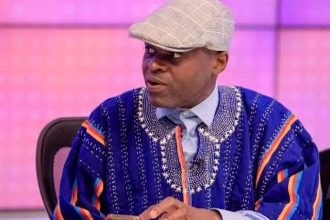
These issues have placed the Office on a collision course with lawyer Martin Kpebu, who has repeatedly accused the Special Prosecutor of misconduct and has called for his resignation or removal. Kpebu has been particularly vocal over what he described as inaccurate timelines provided in the Ofori-Atta investigation, as was exposed by investigative journalist, Manazeh Azure Awuni.
Matters escalated when the OSP arrested Martin Kpebu on Wednesday, December 3, after the lawyer honoured an invitation to assist with inquiries into the very allegations he had made. Whatever the provocation, the decision to arrest and detain a citizen for publicly criticising a public office was, by all reasonable standards, an overreach. If the Special Prosecutor felt defamed, the appropriate avenue was to file a complaint with the police, not to use his office’s powers in a manner that threatens civil liberties.
Unsurprisingly, this episode has attracted the attention of Parliament, with MPs from both side of the House, and even the Speaker, Alban Bagbin, now calling for the abolition of the OSP altogether.
But if lawmakers were genuinely guided by the corruption cases the Office has uncovered, including matters arising from the ORAL investigations and cases involving past government officials currently before the courts, they would recognise that calls for scrapping the OSP are anything but patriotic.
Kissi Agyebeng may have erred, but to conclude that the solution is to dismantle the entire institution is misguided.
It is a posture that appears self-serving, one that conveniently shields political actors from accountability, rather than advancing the nation’s anti-corruption agenda.
Reform the Office if necessary. Hold its leadership accountable. But scrapping it is not the answer.