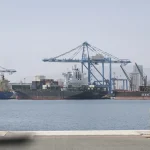
The Asantehene, Otumfuo Osei Tutu II, has cautioned stakeholders against further delays in the completion of the Boankra Integrated Logistics Terminal, warning that continued stagnation of the project could undermine investor confidence and result in significant waste of public funds.
He issued the warning during a high-level engagement at the Manhyia Palace when a delegation from the Ghana Ports and Harbours Authority (GPHA) paid a courtesy call on him.
The delegation was led by Board Chairman Johnson Asiedu Nketiah.
Otumfuo Osei Tutu II expressed concern about the pace of work on the project, describing the inland port as a critical component of Ghana’s infrastructure and economic transformation agenda.
He urged key stakeholders, including the Ghana Shippers’ Authority, to intensify efforts to ensure sustained progress on the project site.

According to him, failure to complete the facility would not only result in financial loss but also send negative signals to potential investors.
“Serious investors are encouraged by visible progress. Without consistent funding and tangible improvement, it will be difficult to attract fresh capital,” he said.
The Boankra Integrated Logistics Terminal, located near Kumasi, is expected to function as a dry port to ease congestion at the Tema Port while improving cargo movement across northern Ghana and neighbouring landlocked countries.
Otumfuo noted that beyond logistics, the project has significant potential for job creation, particularly among young people, and could serve as a catalyst for broader investment in the Ashanti Region and beyond.
In response, Asiedu Nketiah assured the Asantehene that the project remains on course, adding that the board has observed renewed construction activity on site.
He outlined a phased implementation approach aimed at accelerating delivery of the facility, with priority being placed on completing the core terminal infrastructure to enable early operations.
He explained that the railway component of the project, though essential to its long-term efficiency, has been delayed due to high capital requirements.
According to him, once the main terminal is completed, cargo operations will initially rely on road transport while efforts continue to secure funding for the rail link.
The Boankra project remains a key element of Ghana’s long-term trade and logistics strategy, expected to improve efficiency, reduce transport costs and strengthen the country’s position as a regional trade hub upon completion.