The International Monetary Fund (IMF) has stood firmly by its assessment that the Ghana Gold Board (GoldBod) recorded losses amounting to about US$214 million, intensifying scrutiny over the management of Ghana’s domestic gold purchase programme.
The finding is contained in the IMF’s Staff Report for the Fifth Review of Ghana’s IMF-supported programme and has sparked renewed debate about governance, transparency and risk management within state-linked financial operations.
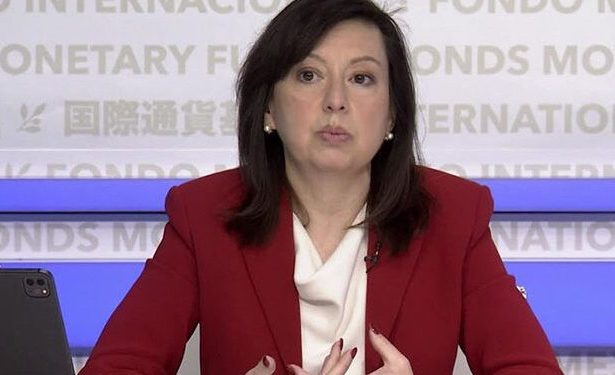
Responding to questions at a press briefing on Thursday, January 15, 2026, the IMF’s Director of Communications, Julie Kozack, said the Fund’s position on the losses remains unchanged despite public discussions around the matter.
She explained that while the programme contributed to building Ghana’s international reserves and easing pressure on the foreign exchange market during a difficult economic period, it also generated what the Fund describes as a “quasi-fiscal loss” of US$214 million.
According to her, the losses resulted from a combination of trading activities, transaction fees and exchange rate movements linked to the gold purchase operations.
“On the benefit side, we see a contribution to the buildup of international reserves and reduced pressure on the foreign exchange market during a difficult period for Ghana,” Kozack stated.
“But the report also quantified a quasi-fiscal loss of $214 million. Quasi-fiscal meaning it is not formally captured on the government’s fiscal balance sheet, but ultimately it is a cost to the state.”
Beyond confirming the loss, the IMF used the opportunity to push for stronger reforms, particularly around how the GoldBod-linked operations are managed.
Kozack said the Fund is recommending enhanced transparency, governance and risk management, especially for activities connected to the GoldBod under the domestic gold purchase programme.
Crucially, the IMF is also calling for the losses to be reflected directly on the government’s balance sheet rather than being left on the books of the Bank of Ghana.
“We strongly recommend that these losses should be brought on balance sheet rather than held on the balance sheet of the Central Bank,” she said, stressing that this is necessary to protect the financial health and credibility of the Bank of Ghana.
Growing accountability questions
The IMF’s insistence on reforms adds fresh pressure on Ghana’s economic managers, as concerns mount over the oversight of special-purpose programmes and state-linked financial arrangements.
Analysts say the Fund’s recommendations signal the need for deeper accountability in public financial management, particularly as Ghana continues to navigate its debt restructuring and broader economic recovery under IMF supervision.