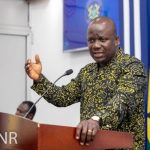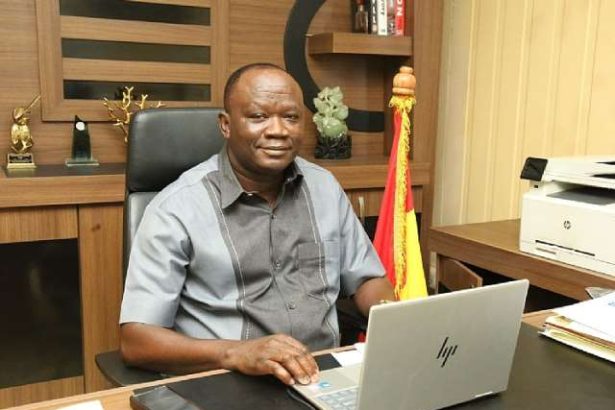
Managing Director of Metro Mass Transit Limited, Kale Cesar, has revealed that he inherited a financial and operational crisis at the state-owned transport company, with liabilities exceeding GHC200 million and years of unpaid statutory obligations.
Speaking on Metro TV’s Good Afternoon Ghana on Wednesday, March 18, Mr. Cesar described the situation as far worse than initial reports suggested.
“We realised that the budgeted liability was about GHC135 million, but further review showed that we practically owe more than GHC200 million,” he said.
He disclosed that the company had defaulted on pension contributions for several years, a breach he described as unlawful. “It’s an offence to deduct workers’ salaries for retirement benefits and fail to pay,” he said, adding that Metro Mass has since begun clearing both arrears and current payments.
The Social Security and National Insurance Trust (SSNIT) had previously taken the company to court over non-payment, though penalties were later waived following negotiations.

Payments to other fund managers, including tier-two administrators, are still ongoing, along with applicable penalties.
Mr. Cesar highlighted steps taken to improve staff welfare, including salary adjustments. “We increased salaries of critical junior staff by 25% and senior staff by 20%,” he said.
He also revealed that some employees lost personal investments because deductions were never forwarded to vendors, resulting in losses such as parcels of land.
The MD cited operational inefficiencies, including revenue leakages from manual ticketing. “When physical cash is collected, less than half sometimes reaches the company,” he said.
To address this, Metro Mass has expanded its digital “tap and go” payment system from 40% coverage to nearly full nationwide implementation, currently at about 95–96%, though some employees still bypass it.
Mr. Cesar also criticised the previous procurement system, describing it as disorganised. “Anybody just buys anything at any time. There wasn’t any system,” he said, adding that new procedures have been introduced to reduce costs and improve accountability.
On operations, he revealed that Metro Mass currently runs fewer than 80 routes, well below its capacity of over 350, citing a shortage of buses. Agreements have been signed with private partners to supply new buses, with 300 expected in phases.
“If nothing happens, the first 100 buses must arrive by the end of this month,” he said, adding that the company aims to have at least 1,000 buses by year-end.
Regarding accountability, Mr. Cesar stated that past managers could face action once sufficient evidence is gathered.
“Yes, we can hold past managers accountable, but we are not in a hurry without enough data to support the case,” he said, noting that unsigned external audit reports from multiple years have delayed full accountability.
He acknowledged that private operators have filled much of the public transport gap but insisted Metro Mass is working to restore reliability. “We are not yet operating up to 80 routes, but with the new buses, we will deploy across the country,” he said.
He also confirmed plans to introduce scheduled, time-bound services, particularly in major urban areas, to improve commuter experience.
“People should know that at 5am, the first bus will take off. This allows commuters to plan their activities,” he added.